
Neurofeedback & Biofeedback

Neurofeedback (also known as Neurotherapy or EEG Biofeedback), is a type of biofeedback that uses real-time displays of brain activity, to teach self-regulation of brain function.

CLICK TO HEAR AN AI GENERATED DISCUSSION OF NEUROMODULATION/NEUROFEEDBACK/BIOFEEDBACK DISCUSSED ON THIS PAGE:

Please note, while there is burgeoning evidence (see: https://isnr.org/isnr-comprehensive-bibliography and https:// aapb.org/Disorders and https://www.vielight.com/research/ and https://alpha-stim.com/research-and-reports/) for neurofeedback, biofeedback, and other neuromodulation therapies for the treatment of various neurological and psychological disorders and to improve stress and performance, for specific disorders there are treatments that have more research supporting them (see: https://www.apa.org/practice/guidelines/evidence-based-statement). For ex? ample, for most anxiety disorders (including OCD and PTSD) exposure-based psychotherapies (e.g., CBT, ACT, Pro? longed Exposure etc.) have the most supporting evidence. Similarly, there is significant research supporting the use of medications (e.g., SSRI antidepressants) and various forms of psychological therapies (e.g., CBT, ACT, Behavioural Activation, etc.) for the treatment of anxiety and depression. In addition, the most evidence-based treatment of per? sonality disorders such as Borderline Personality Disorder (BPD), is Dialectical Behaviour Therapy (DBT). Therefore, if you have one of these disorders, we recommend you try these other therapies before neurofeedback, biofeedback, and other neuromodulation therapies. Similarly, most concussions improve on their own with time and slow re-activ? ation of your previous lifestyle and thus we generally do not recommend our neurofeedback, biofeedback, and other neuromodulation therapies in the early stages of concussion recovery.

• https://isnr.org/isnr-comprehensive-bibliograph

• https://aapb.org/Disorders

• https://www.vielight.com/research/

• https://alpha-stim.com/research-and-reports/


Hear Dr. Friesen discuss neurofeedback, biofeedback, brain mapping, and other forms for neuromodulation on Mindhacker’s Radio: #04 Dr. Chris Friesen: Upgrading and Biohacking the Mind with Neurofeedback, HRV Training, Photobiomodulation, and more! (or on iTunes Sept 11, 2019)

While I don’t necessarily agree with all of what Dr. Daniel Amen thinks and recommends, his Ted Talk on the importance and power of brain imaging is a good starting point for learning about your brain:

Dr. Normal Doidge helped popularize the concept of neuroplasticity or how the brain can change with experience and various non-invasive treatments. These were popularized in his best-selling books:

The Brain That Changes Itself                  The Brain’s Way of Healing:


To learn more, watch the CBC’s The Nature of Things with David Suzuki documentaries below:


WHAT IS NEUROFEEDBACK?

Neurofeedback (also known as Neurotherapy or EEG Biofeedback), is a type of biofeedback that uses real-time displays of brain activity, to teach self-regulation of brain function. Sensors are placed on the head to measure brain activity at particular sites, with this brain activity fed back to the client via a computer screen. The client learns to increase or decrease brain activity to improve health and performance. In other words, neurofeedback teaches you to modify your brain activity. Over time, these changes may endure without continued use of neurofeedback (adapted from The International Society for Neurofeedback and Research www.isnr.org).

To learn more about neurofeedback, please read Dr. D. Corydon Hammond’s article What Is Neurofeedback: An Update by clicking HERE.


WHAT IS BIOFEEDBACK?

Biofeedback is a similar process that enables a client to learn how to change physiological activity for the purposes of improving health and performance. Precise instruments measure physiological activity such as heart function (e.g., Heart Rate Variability or HRV), breathing, muscle activity, skin conductance (i.e., sweating), and skin temperature. These instruments quickly “feed back” information to the client. The presentation of this information — often in conjunction with changes in thinking, emotions, and behaviour — supports desired physiological changes. Over time, these changes can endure without continued use of an instrument (adapted from The International Society for Neurofeedback and Research www.isnr.org).

WHAT CAN NEUROFEEDBACK & BIOFEEDBACK HELP WITH?

Neurofeedback and Biofeedback are used to treat ADHD, anxiety, depression, stress, epilepsy, headaches, TBI, strokes, and to help with optimal performance for those who want to perform at their best such as students, entrepreneurs, executives, and athletes.


The American Association of Applied Psychophysiology and Biofeedback (AAPB) and The International Society for Neurofeedback and Research (ISNR) have created a list of different levels of efficacy of neurofeedback and biofeedback for various applications. For some applications, neurofeedback is an accepted treatment, while for other conditions it shows promise, or should it still be considered to be an experimental method.

The AAPB has developed the following criteria for setting the level of evidence for efficacy (Moss and Gunkelman 2002, LaVaque et al 2002): It is very similar to the rating schemes developed by other organizations such as the American Psychological Association. Please note that the efficacy ratings made based on these criteria are from formal studies.

Level 1: Not empirically supported: Supported only by anecdotal reports and/or case studies in non-peer-reviewed venues.

Level 2: Possibly Efficacious: At least one study of sufficient statistical power with well-identified outcome measures, but lacking randomized assignment to a control condition internal to the study.

Level 3: Probably Efficacious: Multiple observational studies, clinical studies, waitlist controlled studies, and within-subject and intrasubject replication studies that demonstrate efficacy.

Level 4: Efficacious:

a.) In a comparison with a no-treatment control group, alternative treatment group, or sham (placebo) control utilizing randomized assignment, the investigational treatment is shown to be statistically significantly superior to the control condition or the investigational treatment is equivalent to a treatment of established efficacy in a study with sufficient power to detect moderate differences, and

b.) The studies have been conducted with a population treated for a specific problem, for whom inclusion criteria are delineated in a reliable, operationally defined manner, and

c.) The study used valid and clearly specified outcome measures related to the problem being treated and

d.) The data are subjected to appropriate data analysis, and

e.) The diagnostic and treatment variables and procedures are clearly defined in a manner that permits replication of the study by independent researchers, and

f.) The superiority or equivalence of the investigational treatment has been shown in at least two independent research settings.

Level 5: Efficacious and specific: The investigational treatment has been shown to be statistically superior to credible sham therapy, pill, or alternative bona fide treatment in at least two independent research settings.

Efficacy Ratings for Neurofeedback & Biofeedback-Based Treatments:

The following is adapted from Tan, Shaffer, Lyle, & Two (2016) Evidence-Based Practice in Biofeedback and Neurofeedback. Association for Applied Psychophysiology and Biofeedback. Colorado Springs, CO.

*Only included are conditions treated by Niagara Neuropsychology staff.

Efficacious and specific (Fifth & highest level):

  1. Attention-Deficit/Hyperactivity Disorder (ADD/ADHD)

Efficacious (Fourth Level) :

  1. Anxiety
  2. Depressive Disorders
  3. Chronic Pain
  4. Epilepsy/Seizures
  5. Irritable Bowel Syndrome (IBS)
  6. Headaches/Migraines
  7. Hypertension
  8. Raynaud’s Disease

Probably efficacious (Third level):

  1. Traumatic Brain Injury/Concussion
  2. Posttraumatic Stress Disorder/PTSD
  3. Performance Enhancement 
  4. Insomnia
  5. Chemo Brain
  6. Fibromyalgia/Chronic Fatigue Syndrome

Possibly Efficacious (Second level):

  1. Stroke

Dr. Andrew Hill from the Peak Brain Institute provides a good summary of some of the key studies on neurofeedback.  You can see this by clicking HERE or by clicking the links below:

ADHD & Learning Disabilities

Anxiety

Autism & Asperger’s

Chronic Fatigue

Cognitive Enhancement & Decline

Depression

Developmental Disabilities

Migraines

Post-Traumatic Stress Disorder

Seizures

Sleep

Substance Use Disorders

Traumatic Brain Injury


Applied Psychophysiology Education (APEd) has a comprehensive list of abstracts for neurofeedback research that you can access HERE.

To hear Dr. Bessel van der Kolk (author of The Body Keeps Score) discuss neurofeedback for trauma and PTSD, click the short video below:

Similarly, the International Society for Neuroregulation & Research (ISNR.org) regularly updates a comprehensive bibliography of neurofeedback research studies that can be accessed HERE.


Below is one girl’s experience trying to improve her sleep and focus with a brief trial of neurofeedback:

Below is Maggie’s Story, a short video about a young girl whose seizures were successfully reduced with neurofeedback. For those interested in the research, click HERE, HERE, and HERE.

To learn more watch Dr. Velkoff from the Drake Institute discuss ADHD on Lifestyle Magazine HERE:

HOW LONG DOES NEUROFEEDBACK & BIOFEEDBACK TRAINING TAKE?

Neurofeedback training typically requires 20 or more sessions, usually held twice or more weekly. Biofeedback training typically takes much less but requires home practice.

NEUROFEEDBACK VIDEOS:

Here is a video on how neurofeedback can help with depression:

This video is from CNN on how neurofeedback can help with ADHD and anxiety:

To hear a great podcast where Dr. Andrew Hill discusses neurofeedback, click below:

Learn some of the basic science behind neurofeedback here:

To learn more about the latest on how we now assess and treat concussions from my colleague, Dr. Robert Conder (former Carolina Hurricanes team neuropsychologist), watch the videos below:

To learn more about concussions, more significant TBIs, and how to treat them with neurofeedback and biofeedback, listen to Dr. Friesen’s interview on the Heal Better Fast podcast with Dr. Michael Pound by clicking HERE.

Dr. Friesen is board certified in Neurofeedback through the Biofeedback International Certification Alliance (BCIA) and we are offering biofeedback, neurofeedback, and other neuromodulation treatments.

Excellent book on the history, research, and potential of neurofeedback.


QUANTITATIVE EEG (qEEG) or “BRAIN MAPPING”

Electroencephalography (EEG) is the measurement of electrical patterns at the surface of the scalp which reflect cortical activity, and are commonly referred to as “brainwaves”.  Quantitative EEG (qEEG) is the analysis of the digitized EEG, and in lay terms, this sometimes is also called “Brain Mapping”. The qEEG is an extension of the analysis of the visual EEG interpretation which may assist and even augment our understanding of the EEG and brain function.

Quantitative Electroencephalography (qEEG) is a procedure that processes the recorded EEG activity from a multi-electrode recording using a computer. The digital data is statistically analyzed, comparing values with “normative” database reference values. The processed EEG is commonly converted into color maps of brain functioning called “Brain Maps”.

The EEG and the derived qEEG information can be interpreted and used by experts as a clinical tool to evaluate brain function and to track the changes in brain function due to various interventions such as neurofeedback or medication.

The use of advanced techniques such as Independent Component Analysis (ICA) and neuroimaging techniques such as Low-Resolution Electromagnetic Tomography (LORETA) can map the actual sources of the cortical rhythms. These advanced approaches are changing our understanding of the dynamics and function of the human brain.


Why do a qEEG for Neurofeedback?

There are many in the field of neurofeedback who do not perform qEEGs prior to designing a clinical intervention. These people are currently practicing well within the standard of practice for this rapidly evolving field.

There is an increasing body of evidence that there is a positive treatment impact from the use of a qEEG and the resultant customized neurofeedback intervention.

Clinical applications of qEEG

The qEEG is used by those currently in a professional practice for the following clinical applications: evaluating effects of medications and predicting medication response, evaluating head traumas, assessment of cognitive and psychiatric changes, in neurofeedback, and in peak performance assessment and training as well as others.

Adapted from qeegsupport.com


OTHER NEUROMODULATION TREATMENTS

A number of other neuromodulation techniques offered at Niagara Neuropsychology include the Low Energy Neurofeedback System (LENS, HPN,  LIP-tES), Cranial Electrotherapy Stimulation (CES), Transcranial Direct Current Stimulation (tDCS), and Transcranial Photobiomodulation.

The Low Energy Neurofeedback System (LENS), also known as High-Performance Neurofeedback (HPN), Microcurrent Neurofeedback, Direct Neurofeedback, and Low-Intensity Pulsed Transcranial Electrical Stimulation (LIP-tES), is rapidly gaining evidence to help those with numerous conditions including anxiety/depression, PTSD, pain, addictions, and various forms of central nervous system dysfunction (e.g., TBI/Concussions, cognitive impairment, ADHD, etc.). Preliminary research has found such treatment effective for those with TBI/Concussions. There is a strong research focus on TBI/Concussions and PTSD in former NFL players and returning veterans.

Here are some examples of the clinical research using LENS and related treatments:

  • University of California summary of MEG study of HPN treatment of veterans with Mild TBI/Concussion & post-concussion syndrome: Click HERE and HERE
  • Dr. Stephen Larsen’s article in the journal Biofeedback titled The Special Applicability of the LENS Form of Neurofeedback to TBI: Click HERE
  • Multisite case series of retired NFL players with multiple concussions and post-concussion syndrome treated with Direct Neurofeedback: Click HERE
  • Dr. Stephen Larsen’s clinical outcomes study using LENS on 100 patients in the Journal of Neurotherapy: Click HERE
  • Dr. Corydon Hammond’s case study and qEEG analysis of a young woman with a severe TBI in the Journal of Neurotherapy: Click HERE

For a special issue of the Journal of Neurotherapy devoted to LENS, click HERE.

For a list of LENS references, click HERE.

Videos of patient experiences and other information on LENS and related treatments:

  • Patient success stories: Click HERE and HERE
  • NBC story about first responders getting treatment for PTSD: Click HERE
  • ABC News stories on research and treatment with football players: Click HERE and HERE
  • CBS News piece on former Denver Broncos players getting relief from LENS: Click HERE
  • Former NFL players, Jessie Sapolu, Kermit Alexander, &  Craig McEwen’s, experiences with repeated concussions and treatment with Direct Neurofeedback: Click HERE
  • Former NFL players, Mark Robinson and Mark Cotney’s experiences with repeated concussions and treatment with HPN: Click HERE
  • Former NFL player, Gerry Wunsch’s, experience with repeated concussions and treatment with HPN: Click  HERE
  • Segment on The Doctors TV show: Click HERE
  • Young woman with Cerebral Palsy and a TBI treated with LENS: Click HERE

For further reading:

See video below for a short documentary about a man who developed PTSD in a horrific helicopter crash who was successfully treated with LENS:

To hear one of the top neuromodulation (aka Electroceuticals) researchers (Vincent Clark, Ph.D.) discuss the research and potential of such modalities, click here:


Alpha-Stim AID

Briefly, Cranial Electrotherapy Stimulation (CES) utilizes extremely small levels of electrical stimulation across the head. It has been found to be efficacious for a number of difficulties including anxiety, depression, insomnia, and chronic pain. CES units are approved in the United States by the Federal Drug Administration (FDA) for the treatment of anxiety, depression, and insomnia. Click here and here to learn more. Click here for a list of references.

Evidence from published research suggests CES use activates particular groups of nerve cells that produce the neurotransmitters serotonin and acetylcholine which can affect the chemical activity of nerve cells that are both nearby and distant in the nervous system. By changing the electrical and chemical activity of certain nerve cells, CES devices like Alpha-Stim® (seen on the left) appear to amplify activity in some neurological systems and deactivate activity in others. This neurological ‘fine tuning’ occurs either as a result of or together with the production of a certain type of electrical activity pattern in the brain known as an alpha state. CES has been found increase alpha and decrease delta, theta, and beta waves on qEEG brain maps. This typically results in feeling calm, relaxed and focused. This appears to decrease stress effects, reduce agitation, stabilize mood, and regulate both sensations and perceptions of particular types of pain.

Adapted from Alpha-Stim.com

Here is a brief video of the use of CES in the British Health System in the treatment of Generalized Anxiety Disorder (GAD) and a 1-minute video from one of the manufactures of a CES device:

According to the Johns Hopkins School of Medicine, “tDCS is a non-invasive, painless brain stimulation treatment that uses direct electrical currents to stimulate specific parts of the brain. A constant, low-intensity current is passed through two electrodes placed over the head which modulates neuronal activity. There are two types of stimulation with tDCS: anodal and cathodal stimulation. Anodal stimulation acts to excite neuronal activity while cathodal stimulation inhibits or reduces neuronal activity.

Although tDCS is still an experimental form of brain stimulation, it potentially has several advantages over other brain stimulation techniques. It is cheap, non-invasive, painless and safe. It is also easy to administer and the equipment is easily portable. The most common side effect of tDCS is slight itching or tingling on the scalp.

Several studies suggest it may be a valuable tool for the treatment of neuropsychiatric conditions such as depression, anxiety, Parkinson’s disease, and chronic pain. Research has also demonstrated cognitive improvement in some patients undergoing tDCS. Currently, tDCS is not an FDA-approved treatment.

tDCS involves the application of a constant, low current to the brain area of interest via electrodes on the head. It is believed to increase or decrease neural excitability (depending on the electrode configuration). tDCS is currently an experimental treatment for various conditions such as depression, anxiety, and brain injuries including strokes. Research to date suggests there are no serious side-effects or reported adverse events (click here for a recent review of adverse events). There is evidence that tDCS can improve psychological problems such as depression and possibly anxiety (click herehere and here). In addition, there is evidence that tDCS can improve cognitive performance in otherwise healthy subjects (click here and here) and possibly enhance cognitive functions in those with brain damage (click here). For a 2014 review of the research click here. For a 2016 review of the research, click here.

VieLight Neuro

Transcranial Photobiomodulation (aka Neurophotomodulation) or low-level light therapy (LLLT) involves the use of low-level near-infrared light to stimulate neuronal mitochondria and cellular events. These lights are applied to the patient’s head for therapeutic purposes such as recovery from neurological disorder or damage. Light in the red and near-infrared regions of the electromagnetic spectrum are used because of their ability to penetrate the scalp, skull, and brain. Studies have been performed to assess the safety and effectiveness of transcranial light therapy in conditions such as depression, stroke, traumatic brain injury (TBI), and neurodegenerative conditions.

VieLight Neuro

For a review of the research, click here (general review), here , herehere , here, here, and here (Alzheimer’s and Parkinson’s disease), here , here (TBI), here (mild TBI/concussions) here, here (improved cognitive and mood in healthy subjects),  here (reduction in depression in patients with Major Depressive Disorder) and here (references).

The first study to report significant cognitive improvement in dementia participants following brain photobiomodulation treatments was presented at the Alzheimer’s Association International Conference in Toronto in July 2016. To see the abstract, click here. To see the poster, click here. To see a related news clip click here.

Due to the fact that only recently have researchers started to use transcranial photobiomodulation in the treatment of brain disorders and, although transcranial photobiomodulation is considered safe, at this point in time it is considered experimental and thus no medical claims can be made.

Here is a video from the University of Utah of concussion and TBI patients & their families discussing the  positive outcomes they experienced using the Vielight Neuro Transcranial Photobiomodulation (tPBM) unit. We’ve been offering this at our clinic for a number of years.


This is an article about a former football player and boxer who benefited from tPBM treatment that we offer:

Boxing and football put him in a fog, light therapy gave him his life back

A study of collision athletes at the University of Utah department of neurology indicates an infrared light therapy called transcranial photobiomodulation helps relieve the symptoms of brain trauma

Audio-Visual Entrainment (AVE)* is a technique that utilizes pulses of light and sound at specific frequencies to gently and safely guide the brain into various brain wave patterns. By altering your brain wave frequencies, you have the ability to boost your mood, improve sleep patterns, sharpen your mind and increase your level of relaxation.

AVE is capable of producing situationally appropriate brain wave frequencies through the process of entrainment (the tendency of physiological processes to mirror environmental stimuli). AVE also increases cerebral blood flow (blood flow in the brain) and increases the metabolization of glucose in the brain for improved functioning of the neurons. The combined outcome of these processes is improved mental performance. It is an effective, inexpensive alternative therapy for many disorders such as anxiety, Attention Deficit Disorder (ADD), Seasonal Affective Disorder (SAD), PTSD, Fibromyalgia and chronic pain. AVE devices are also used successfully to boost physical performance for athletes, academic performance for students and cognitive performance for seniors.

For a comprehensive review of the psychological effects of AVE click HERE.

An important objective of entrainment is to produce a dissociative state, which is a meditation-like state of deep relaxation. It is the brain/body rehabilitative benefits produced by this deep trance-like state that makes AVE so useful for so many conditions. The dissociative state can be first observed by noticing deep and diaphragmatic breathing. Hands and feet become warmer as arteries dilate. Skin colour will become pinker as blood flow increases throughout the face and body. Blood flow will increase in the brain as well. The person will experience feelings of profound relaxation and contentment as beneficial neurotransmitters are released into the brain. When in this deep state, the brain/body’s regenerative repair chemicals (parasympathetic hormones) and stabilizing neurotransmitters such as serotonin, endorphins and dopamine are released, which restore good brain function. AVE contributes to this restoration by providing a stress-break, increasing cerebral blood flow and encouraging impaired neuronal firing which allows the brain to return to normal function.

There are a number of things that are going on when you are using AVE:

1) Your EEG activity is being altered – As the AVE frequency changes, so does the frequency in the brain. For example, when an AVE unit is set to pulsate at 10 Hz alpha, the brain responds by producing more alpha which leads to a feeling of deep relaxation.

2) You are being dissociated – When using AVE, you get drawn into the present moment and let go of thoughts relating to your daily hassles, hectic schedules, paying bills, worries, threats or anxieties and stop mental “chatter.” Dissociation involves a “disconnection” of self from thoughts and body awareness, as is experienced during deep meditation. Dissociation begins in four to eight minutes from properly applied AVE.

3) Your limbic system is being stabilized – Your body is calmed, your breathing becomes rhythmic, your hands warm and your muscles relax.

4) A number of neurotransmitters are being produced – There is some evidence that people with depressed mood have low levels of serotonin and norepinephrine. AVE boosts brain levels of serotonin and norepinephrine to improve overall well-being.

5) Your cerebral blood flow (CBF) is being increased – CBF is associated with many forms of mental disorders, including anxiety, depression, attentional problems, behaviour disorders and impaired cognitive function. CBF tends to lower as we age and is correlated with cognitive decline. People experiencing depressed mood usually have lower levels of CBF in the left frontal and prefrontal lobes.

*Adapted from MindAlive.com

Click HERE to read more about the history of physiological mechanisms of AVE.

Here at Niagara Neuropsychology, we believe that AVE works best when the pulse rate is tailored to each patient/client’s unique brain map (qEEG). For example, using an AVE setting designed to boost fast beta waves in a patient whose brain already produces too much beta can often lead to increased anxiety/irritability or insomnia. For a patient whose brain produces too much slow waves (e.g., delta or theta) on the other hand, using an AVE setting design to boost fast beta can lead to increased focus and less hyperactivity. In other words, each person’s brain is unique and tailoring AVE settings to the patient’s unique brain will be more likely to lead to desired effects.
At Niagara Neuropsychology we occasionally have patients/clients use AVE in clinic after psychological or neurofeedback treatment sessions. More often we rent-to-own MindAlive.com AVE (or CES) units to patients/clients.
See the video below for more on how AVE works:

SaveSave

SaveSave

SaveSave

SaveSave

SaveSave

SaveSave

SaveSave

SaveSave

SaveSave

SaveSave

SaveSave

SaveSave

SaveSave

SaveSave

SaveSave

Aging, Cognition, & Memory Issues

Interested in learning how to keep your brain healthy and sharp as you age? Drs. Robert and Alanna Conder and I (Dr. Friesen) published a review article in OBM Geriatrics where we outline ways to promote healthy neuro-cognitive aging.

In our article we cover:

Click HERE for the link and HERE for the PDF.


At Niagara Neuropsychology, we offer 3 levels of assessment for Memory/Cognition/Early Dementia Assessment for Older Adults. These were developed in order to be able to provide the most comprehensive assessment possible and to ensure that even those with less financial means can obtain an adequate assessment.

Below are descriptions of each level of Memory/Cognition/Early Dementia Assessment for Older Adults from the top tier ADVANCED assessment, middle tier INTERMEDIATE assessment, and lowest tier BRIEF SCREENING assessment. We also offer repeat testing to determine or track change over time.
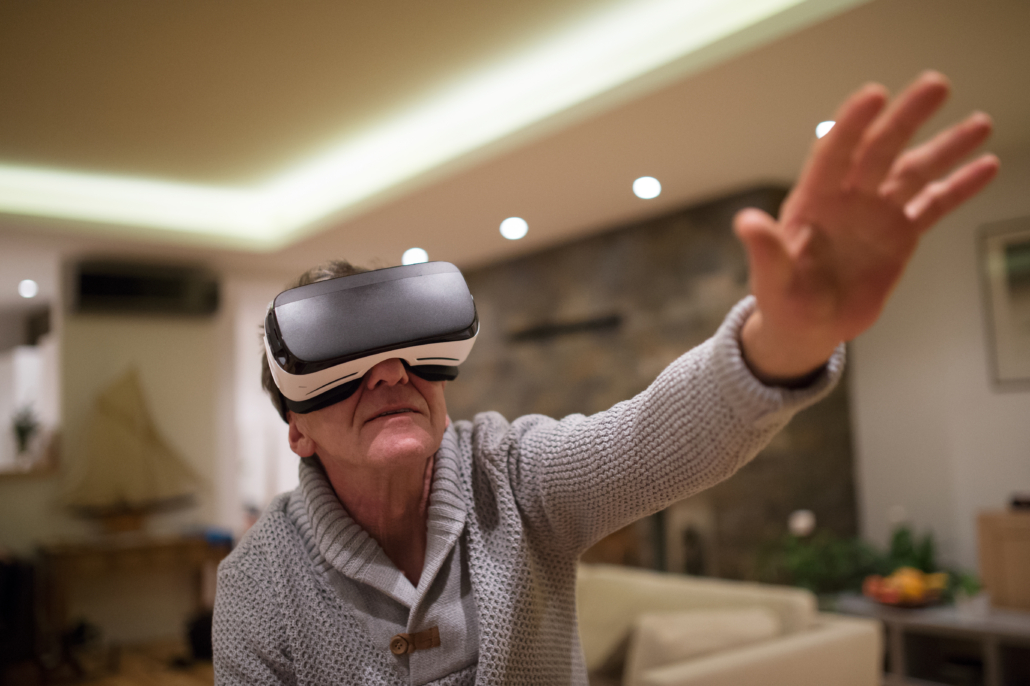
Virtual Reality Testing

Memory/Cognition/Early Dementia Assessment for Older Adults ADVANCED Assessment:

  • The most advanced/thorough assessment of memory/cognitive and brain function
  • A 55-minute intake interview with Dr. Friesen (charged separately at $250)
  • Whole-brain quantitative electroencephalograph (qEEG)—brain mapping to measure brain function relative to others the same age and predict response to interventions like neurofeedback (~1-hour test)
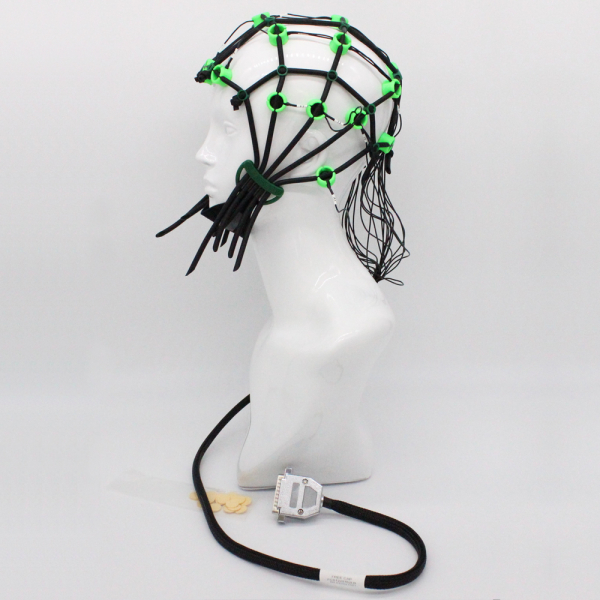
    qEEG Brain Mapping

  • Full neuropsychological and intellectual testing (up to age 97) to determine the presence and areas of cognitive impairment, including measuring learning, memory, visuospatial abilities, auditory processing, language, cognitive processing speed, attention, working memory, and executive functioning (~3-4 hours testing including Virtual Reality testing below)
    • Virtual Reality Memory Testing (i.e., 360 degree and 3-D) up to age 90, uses a furniture store setting and measures immediate and delayed verbal and visual memory and learning (~30-minute test). See this video: https://youtu.be/iBwi0Gh_yc0
    • Optional Virtual Reality Executive Functioning Testing (i.e., 360 degree and 3-D) u to 80, uses an ice-cream store setting which measures planning, working memory, processing speed, and cognitive flexibility( ~30-minute test). See this video: https://youtu.be/CmaqI2Arwew
    • Optional Virtual Reality Attention Testing (i.e., 360 degree and 3-D). Continuous Performance Testing (CPT) is the gold standard for measuring selective and sustained visual and auditory attention, motor activity (hyperactivity), reaction time, and impulsivity (~30-minutes testing)
    • Up to age 90, Virtual Reality testing uses an aquarium setting. See this video: https://youtu.be/2nc0WLxC7AY
  • Full psychophysiological stress testing to determine and quantify problems with anxiety/coping/stress regulation (~30-minute test)
  • Psychological testing for psychological/emotional difficulties (~60-90-minutes)
  • Many aspects of memory/cognition naturally decline with age. This assessment helps determine whether a patient has normal age-related changes, mild cognitive impairment, pseudodementia (i.e., cognitive impairment due to depression) or more significant impairment as the result of various forms of dementia.
  • If early signs of dementia are present, this assessment helps family physicians, neurologists, and/or geriatricians determine what the probable cause is (e.g., vitamin B-12 deficiency, vascular dementia, stroke, Alzheimer’s disease, Fronto-Temporal Dementia, Parkinson’s disease, traumatic brain injuries, concussions, etc.)
  • Can re-test to track changes over time
  • Brief report of test results provided
  • 60-minute feedback session with Dr. Friesen to go over findings and treatment options
  • Cost: $2050 (not including $250 intake session)

Memory/Cognition/Early Dementia INTERMEDIATE Assessment for Older Adults:

  • Thorough and comprehensive assessment of memory/cognitive function
  • A 55-minute intake interview with Dr. Friesen (charged separately at $250)
  • Whole-brain quantitative electroencephalograph (qEEG)—brain mapping to measure brain function relative to others the same age and predict response to interventions like neurofeedback (~1-hour test)
  • Targeted Neuropsychological and intellectual testing to determine the presence and areas of cognitive impairment, including measuring learning, memory, visuospatial abilities, auditory processing, language, cognitive processing speed, attention, working memory, and executive functioning (~2-3 hours testing including Virtual Reality testing below)
    • Virtual Reality Memory Testing (i.e., 360 degree and 3-D) up to age 90, uses a furniture store setting and measures immediate and delayed verbal and visual memory and learning (~30-minute test). See this video: https://youtu.be/iBwi0Gh_yc0
  • Psychological testing for psychological/emotional difficulties (~60-90-minutes)
  • Many aspects of memory/cognition naturally decline with age. This assessment helps determine whether a patient has normal age-related changes, mild cognitive impairment, pseudodementia (i.e., cognitive impairment due to depression), or more significant impairment as the result of various forms of dementia.
  • If early signs of dementia are present, this assessment helps family physicians, neurologists, and/or geriatricians determine what the probable cause is (e.g., vitamin B-12 deficiency, vascular dementia, stroke, Alzheimer’s disease, Fronto-Temporal Dementia, Parkinson’s disease, traumatic brain injuries, concussions, etc.)
  • Can re-test to track changes over time
  • Brief report of test results provided
  • 60-minute feedback session with Dr. Friesen to go over findings and treatment options
  • Cost: $1750 (not including $250 intake session)

Memory/Cognition/Early Dementia BRIEF SCREENING Assessment for Older Adults:

  • A screening assessment of memory/cognitive function
  • A 60-minute intake interview with Dr. Friesen (charged separately at $195)
  • Basic neuropsychological and intellectual testing that includes measuring learning, memory, visuospatial abilities, auditory processing, language, cognitive processing speed, attention, working memory, and executive functioning (~90-minutes testing)
  • Psychological testing for psychological/emotional difficulties (~45-minutes)
  • Determines presence and areas of cognitive impairment
  • Many aspects of memory/cognition naturally decline with age. This assessment helps determine whether a patient has normal age-related changes, mild cognitive impairment, pseudodementia (i.e., cognitive impairment due to depression), or more significant impairment as the result of various forms of dementia
  • If early signs of dementia are present, this assessment helps neurologists and geriatricians determine what the probable cause is (e.g., vitamin B-12 deficiency, vascular dementia, stroke, Alzheimer’s disease, Fronto-Temporal Dementia, Parkinson’s disease, traumatic brain injuries, concussions, etc.)
  • Can re-test to track changes over time
  • 60-minute feedback session with Dr. Friesen to go over findings and treatment options
  • Brief summary report provided
  • Cost: $1350(not including $250 intake session)


NORMAL AGING VS. DEMENTIA

*Adapted from the Alzheimer Society Canada

Alzheimer’s disease and other dementias are not a part of normal aging.

Almost 40 percent of people over the age of 65 experience some form of memory loss. When there is no underlying medical condition causing this memory loss, it is known as “age-associated memory impairment,” which is considered a part of the normal aging process.

Brain diseases like Alzheimer’s disease and other dementias are different.

Age-associated memory impairment and dementia can be told apart in a number of ways. Below are some examples.

Note: this is not a diagnostic tool.

Normal Aging  Dementia
Not being able to remember details of a conversation or event that took place a year ago Not being able to recall details of recent events or conversations
Not being able to remember the name of an acquaintance Not recognizing or knowing the names of family members
Forgetting things and events occasionally Forgetting things or events more frequently
Occasionally have difficulty finding words Frequent pauses and substitutions when finding words
You are worried about your memory but your relatives are not Your relatives are worried about your memory, but you are not aware of any problems

If you are worried about your memory, talk to your family doctor.

Tips for coping with normal age-related memory difficulties:

  • Keep a routine
  • Organize information (keep details in a calendar or day planner)
  • Put items in the same spot (always put your keys in the same place by the door)
  • Repeat information (repeat names when you meet people)
  • Run through the alphabet in your head to help you remember a word
  • Make associations (relate new information to things you already know)
  • Involve your senses (if you are a visual learner, visualize an item)
  • Teach others or tell them stories
  • Get a full night’s sleep
  • Learn more about what you can do to maintain your brain health and strengthen your memory

WHAT IS DEMENTIA?

Dementia is an overall term for a set of symptoms that are caused by disorders affecting the brain. Symptoms may include memory loss and difficulties with thinking, problem-solving or language, severe enough to reduce a person’s ability to perform everyday activities. A person with dementia may also experience changes in mood or behaviour.

Dementia is generally considered to be progressive, which means the symptoms will gradually get worse as more brain cells become damaged and eventually die.

Dementia is not a specific disease. Many diseases can cause dementia, including Alzheimer’s disease, vascular dementia (due to strokes), Lewy Body disease, head trauma, fronto-temporal dementia, Creutzfeldt-Jakob disease, Parkinson’s disease, and Huntington’s disease. These conditions can have similar and overlapping symptoms.

Some treatable conditions can produce symptoms similar to dementia, for example, vitamin deficiencies, thyroid disease, sleep disorders, or psychiatric/psychological disorders. It is therefore important to arrange for a full medical assessment as early as possible.

Getting a timely diagnosis can help you access information, resources, and support through the Alzheimer Society, benefit from treatment, and plan ahead.


GETTING A DIAGNOSIS

Finding out if it’s dementia

Alzheimer’s disease and other dementias are not a normal part of aging. This list of 10 warning signs will help you understand if you should seek further information.

Other conditions have symptoms similar to dementia and may be treatable, including depression, chest and urinary infections, severe constipation, vitamin and thyroid deficiencies and brain tumours, drug interactions or alcohol abuse. Other possible causes of confusion are poor sight or hearing; and emotional changes and upsets, such as moving or bereavement. Finding out the cause of the symptoms can help the person get the proper care, treatment and support.

If you are concerned about any symptoms, go to your doctor. If you don’t receive the help you need, ask to be referred to a specialist. You know your body and you should speak up if you have worries.

To learn more about what to expect during the Alzheimer diagnosis process, review our brochure on getting a diagnosis.

The diagnostic process: assessments and tests

The diagnostic process begins with your family doctor. After your initial assessment, he/she should refer you to a specialist like a neurologist, psychiatrist, geriatrician, or neuropsychologist. Your family physician may recommend additional testing. After a diagnosis is made, you will likely continue to see your family doctor for ongoing assessment.

Initial assessment

During your initial assessment, your family doctor will ask you questions about your symptoms, past illnesses, and family medical and psychiatric history. You may also undergo physical examinations and tests, which may include detailed blood work to look for heart, lung, liver, kidney or thyroid problems that may be causing your symptoms. To evaluate whether another nervous system disorder may be causing the symptoms, your doctor may also test muscle tone and strength, coordination, eye movement, speech and sensation.

Your doctor may also conduct mental tests to measure your sense of time and place as well as your ability to remember, express yourself, and perform simple calculations. This may involve exercises such as recalling words and objects, drawing and spelling, and questions such as “What year is it?” After an initial assessment, your doctor may feel able to make a diagnosis, but should generally refer you to a memory clinic or other specialist service for more testing.

Additional tests

Other tests such as X-rays and EEGs (electroencephalograms) may be used to determine the source of the problem. In some centres, scans may be used. The following may be recommended, but are not always necessary for a diagnosis:

  • CT (computerized tomography) scan and MRI (magnetic resonance imaging) to take images of the brain.
  • SPECT (single proton emission computed tomography) showing how blood is circulating to the brain.
  • PET (positive electron tomography) showing how the different areas of the brain respond during certain activities, for example, reading and talking.

Referral to a specialist

If you feel that a referral would be helpful and your family doctor does not suggest it, you can request it. Your doctor may refer you to one of the following specialists:

  • Neurologist, who specializes in disorders of the brain and nerve pathways. Some neurologists have particular experience in diagnosing dementia.
  • Geriatrician, who specializes in the physical illnesses and disabilities associated with old age and in the care of older people.
  • Psychiatrist, who specializes in diagnosing and treating a wide range of mental health problems. A psychiatric evaluation may be helpful in ruling out other illnesses such as depression, which can cause symptoms similar to those associated with Alzheimer’s disease. Geriatric psychiatrists are psychiatrists who have further specialized in the mental health problems of older people, including dementia.
  • Clinical Neuropsychologist (Dr. Friesen is a clinical neuropsychologist), who specializes in assessing and treating normal and abnormal functioning of the central nervous system (i.e., brain). Clinical neuropsychologists address neurobehavioral problems related to acquired or developmental disorders of the nervous system. The types of problems are extremely varied and include such conditions as dementia, vascular disorders, Parkinson’s disease and other neurodegenerative disorders, traumatic brain injury, seizure disorders, learning disabilities, neuropsychiatric disorders, infectious disease affecting the CNS, neurodevelopmental disorders, metabolic disease and neurological effects of medical disorders or treatment. Clinical neuropsychologists apply specialized knowledge in the assessment, diagnosis, treatment and rehabilitation of individuals with neurological, medical, or neurodevelopmental disorders across the lifespan.

Ongoing assessment

Once a diagnosis is confirmed, make an appointment to see your family doctor from time to time to assess changes and discuss any problems. Your doctor may refer you to a specialist, such as a neuropsychologist for help in assessing changes, and for advice on ways to deal with specific difficulties. Your family doctor is also responsible for your general health when you have dementia.


ALZHEIMER’S DISEASE

At this point in time, Alzheimer’s disease is irreversible and destroys brain cells, causing thinking ability and memory to deteriorate. Alzheimer’s disease is not a normal part of aging.

What is Alzheimer’s disease?

Dr. Alois Alzheimer first identified the disease in 1906. He described the two hallmarks of the disease: “plaques,” which are numerous tiny, dense deposits scattered throughout the brain that become toxic to brain cells at excessive levels, and “tangles,” which interfere with vital processes, eventually choking off the living cells. When brain cells degenerate and die, the brain markedly shrinks in some regions.

The image below shows that a person with Alzheimer’s disease has less brain tissue (right) than a person who does not have the disease (left). This shrinkage will continue over time, affecting how the brain functions.

MRI brain scan of Alzheimer's disease

MRI images courtesy of Sunnybrook and
Women’s College Health Sciences Centre

What is the difference between Alzheimer’s disease and dementia?

If you have been confused by these terms in the past, or mistakenly thought that they were the same thing, watch the video:

The material was created by TCD, through the NEIL Programme at the Institute of Neuroscience with support from GENIO.

The effects of Alzheimer’s disease

Alzheimer’s disease is a fatal disease that eventually affects all aspects of a person’s life: how they think, feel, and act. Each person is affected differently. It is difficult to predict symptoms, the order in which they will appear, or the speed of their progression.

The following are some of the changes you may expect as the disease progresses.

Cognitive and functional abilities: a person’s ability to understand, think, remember and communicate will be affected. This could impact a person’s ability to make decisions, perform simple tasks, or follow a conversation. Sometimes people lose their way, or experience confusion and memory loss, initially for recent events and eventually for long-term events.

Emotions and moods: a person may appear apathetic and lose interest in favourite hobbies. Some people become less expressive and withdrawn.

Behaviour: a person may have reactions that seem out of character. Some common reactions include repeating the same action or words, hiding possessions, physical outbursts and restlessness.

Physical abilities: the disease can affect a person’s coordination and mobility, to the point of affecting their ability to perform day-to-day tasks such as eating, bathing and getting dressed.

Resources:

Risk factors – how can we reduce the risk?
10 warning signs – know the signs and symptoms
What is Alzheimer’s disease? –  brochure by the Alzheimer Society of Canada
Stages of Alzheimer’s disease – learn about the progression of the disease
Shared experiences – advice from people living with Alzheimer’s disease


OTHER DEMENTIAS

“Other dementias” resemble Alzheimer’s disease in that they also involve a progressive degeneration of brain cells that is currently irreversible. There are many different types of dementia, although some are far more common than others.

A small percentage of dementias are reversible, occurring as a secondary development in treatable conditions. Toxic reactions to prescription or over the counter medications are the most common cause of reversible dementia. Others include dietary or vitamin B12 deficiencies, infections, tumours, alcoholism, inflammatory states, hormonal dysfunction, environmental toxins, drug abuse, and depression.


TREATMENT OPTIONS

There is currently no cure for Alzheimer’s disease and other dementias, nor is there any known treatment that will stop the progression. Several drugs on the market and non-pharmacological treatments may help with some symptoms.

Some non-pharmacological therapies (such as music therapy, neurofeedback, transcranial photobiomodulation, tDCS) may be beneficial to people with dementia. However, at this point in time, much of the research, although appearing promising, is still in its infancy which prevents us from determining its effectiveness. We at Niagara Neuropsychology now offer neurofeedback and photobiomodulation, to those experiencing cognitive impairment. See a recent review of the use of photobiomodulation in the treatment of Alzheimer’s disease HERE and HERE.
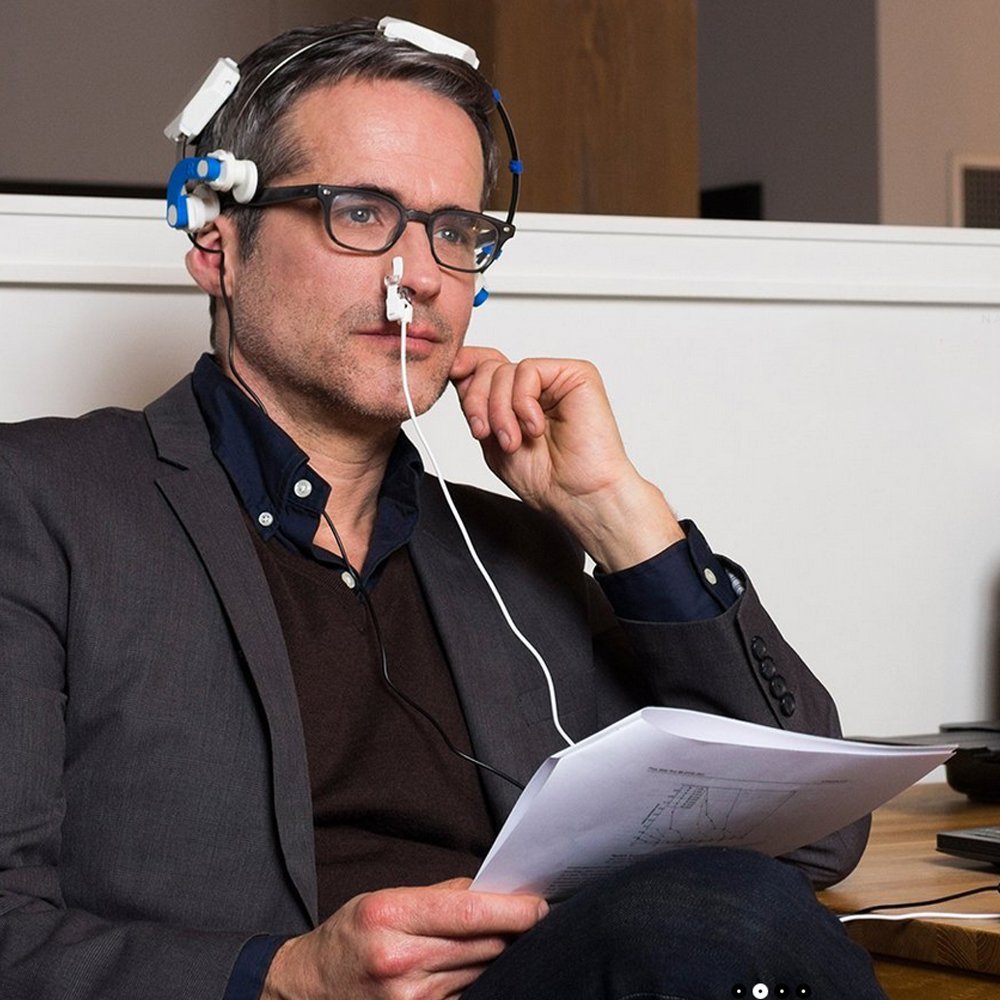
VieLight Neuro

Transcranial Photobiomodulation (aka Neurophotomodulation) or low-level light therapy (LLLT) involves the use of low-level near-infrared light to stimulate neuronal mitochondria and cellular events. These lights are applied to the patient’s head for therapeutic purposes such as recovery from neurological disorder or damage. Light in the red and near-infrared regions of the electromagnetic spectrum are used because of their ability to penetrate the scalp, skull, and brain. Studies have been performed to assess the safety and effectiveness of transcranial light therapy in conditions such as depression, stroke, traumatic brain injury (TBI), and neurodegenerative conditions.
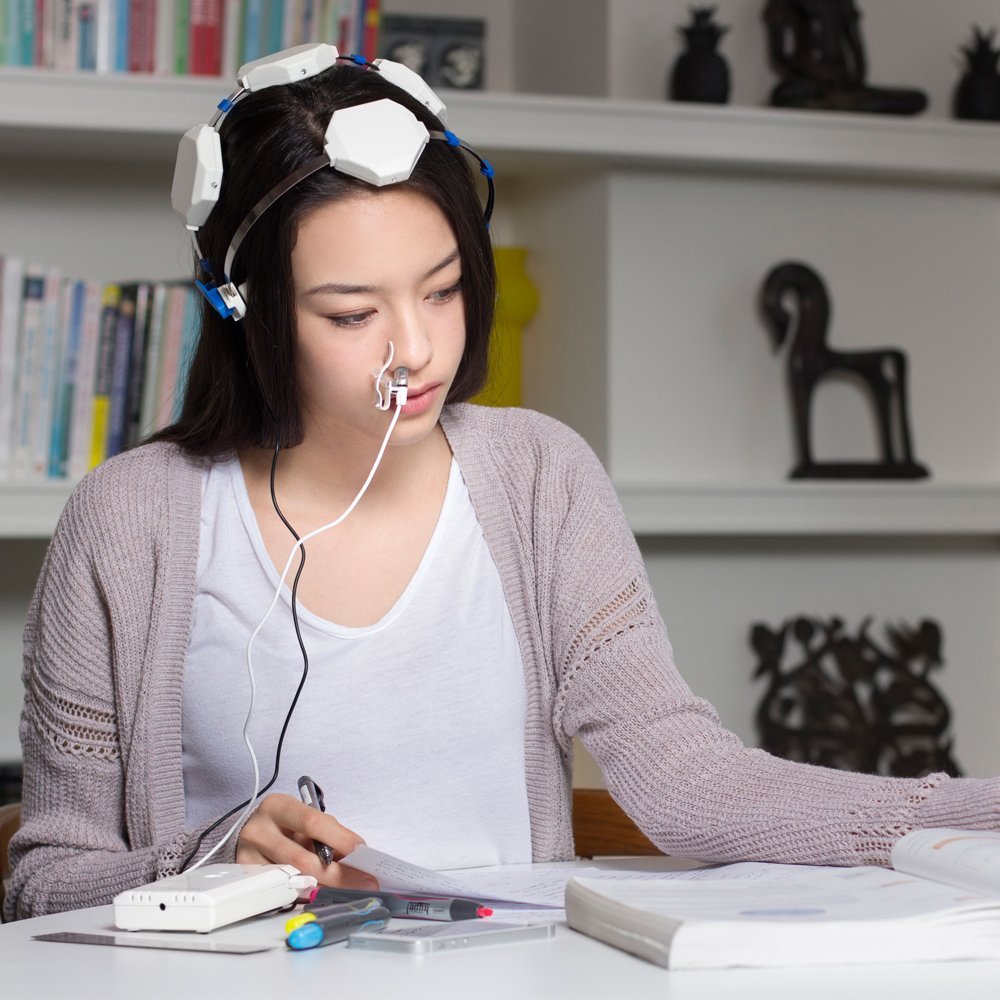
VieLight Neuro

For a review of the research, click here (general review), here , herehere , here, here, and here (Alzheimer’s and Parkinson’s disease), here , here (TBI), here(mild TBI/concussions) here, here (improved cognitive and mood in healthy subjects),  here(reduction in depression in patients with Major Depressive Disorder) and here (references).

The first study to report significant cognitive improvement in dementia participants following brain photobiomodulation treatments was presented at the Alzheimer’s Association International Conference in Toronto in July 2016. To see the abstract, click here. To see the poster, click here. To see a related news clip click here.

Due to the fact that only recently have researchers started to use transcranial photobiomodulation in the treatment of brain disorders and, although transcranial photobiomodulation is considered safe, at this point in time it is considered experimental and thus no medical claims can be made.

The International Society for Neuroregulation & Research (ISNR.org) regularly updates a comprehensive bibliography of neurofeedback research studies on various disorders including cognitive decline and enhancement that can be accessed HERE.

When considering the use of natural health products, think about the following to minimize your risk:

  • Don’t assume “natural” means “safe.”
  • Be wary of unsubstantiated health-related claims.
  • Herbal remedies can change the way prescription drugs work. Be aware of interactions with other drugs and tell your doctor and pharmacist about any herbal remedies you may be taking.

Additional resources:

Heads Up for Healthier Living: information on lifestyle choices that can improve the quality of life for people living with dementia and may help to slow the progression of the disease.

Information sheets on the following medications, including possible benefits and side effects:


PARKINSON’S DISEASE

We will have more to add to this section in the future. For now, there is some interesting work being done with neurofeedback and Parkinson’s disease. To learn more, click here:


BRAIN HEALTH

The human brain is one of your most vital organs. It plays a role in every action and every thought, and just like the rest of your body, it needs to be looked after.

Can Alzheimer’s disease be prevented? There are no guarantees, but healthy lifestyle choices will help keep your brain as healthy as possible as you age.

By making better lifestyle choices now, you can improve your brain’s ability to sustain long-term health and fight illnesses.

Be good to your brain:

 

SaveSave

SaveSave

SaveSave

Attention-Deficit/Hyperactivity Disorder (ADHD)

CLICK TO HEAR AN AI GENERATED DISCUSSION OF THIS PAGE:


At Niagara Neuropsychology, we offer 3 levels of assessment for ADHD/ADD for those age 6 and up (including adults). These were developed in order to be able to provide the most comprehensive assessment possible and to ensure that even those with less financial means can obtain an adequate assessment and diagnosis.

Below are descriptions of each level of ADHD/ADD assessment from the top tier ADVANCED ADHD/ADD Assessment, middle tier INTERMEDIATE ADHD/ADD Assessment, and lowest tier BRIEF ADHD/ADD Assessment. Note that even the BRIEF ADHD/ADD Assessment is a more thorough assessment than what is obtained from most psychiatrists, pediatricians, family physicians, and most psychologists.

Virtual Reality Testing

 TOP TIER—ADVANCED ADHD/ADD ASSESSMENT:

  • Most in-depth ADHD/ADD assessment available including qEEG brain mapping and Virtual Reality (VR) attention testing.
  • A 55-minute intake interview with Dr. Friesen (charged separately at $250)
  • Whole-brain quantitative electroencephalograph (qEEG) —brain mapping to measure brain function, determine whether the ADHD biomarkers are present, and to help predict response to medication (e.g., stimulants like Ritalin, etc.) or other interventions like neurofeedback (~1-hour test)
  • Virtual Reality Attention Testing (i.e., 360 degree and 3-D). Continuous Performance Testing (CPT) is the gold standard for measuring selective and sustained visual and auditory attention, motor activity (hyperactivity), reaction time, and impulsivity (~30-minutes testing)
    • For children and teens ages 6-16, Virtual Reality testing uses a classroom setting. See this video: https://youtu.be/_1veUQD968Y
    • For teens and adults ages 16+, Virtual Reality testing uses an aquarium setting. See this video: https://youtu.be/2nc0WLxC7AY
    • This can also be used to measure ADHD medication (e.g., Ritalin, Adderall, etc.) response (~30-minute test)
  • Optional Virtual Reality Executive Functioning Testing (i.e., 360 degree and 3-D) for ages 8-80 uses an ice-cream store setting which measures planning, working memory, processing speed, and cognitive flexibility( ~30-minute test). See this video: https://youtu.be/CmaqI2Arwew
  • Optional Virtual Reality Memory Testing (i.e., 360 degree and 3-D) for ages 12-90 uses a furniture store setting and measures immediate and delayed verbal and visual memory and learning (~30-minute test). See this video: https://youtu.be/iBwi0Gh_yc0
  • Full psychophysiological stress testing to determine and quantify problems with anxiety/coping/stress regulation (~30-minute test)
  • Psychological testing for determining the amount of psychological/emotional difficulties in comparison to national norms of others of the same age (~30-60-minutes)
  • Detailed personality testing (late teens and adults only) of the 5-basic personality tendencies and their 30 sub-traits (~20-45 minutes).
  • Additional Neuropsychological and Intellectual Testing that may include measuring learning, memory, visuospatial abilities, auditory processing, language, cognitive processing speed, attention, working memory, and executive functioning (~1-3-hours testing)
  • Academic Achievement Screening for Learning Disorders, if suspected (~1-hour testing)–NOTE this is NOT a full Psycho-Education Assessment or Learning Disorders Assessment.
  • Parent/teacher/self-rating measures of executive functions (~15-minutes each)
  • Parent/teacher/self-rating measures of ADHD symptoms (~10-minutes each)
  • Parent/self-rating of psychosocial functioning (~10-minutes each)
  • 60-minute feedback session with Dr. Friesen to go over findings and treatment options
  • Test scores can be provided (full report for schools etc. requires additional cost)
  • Cost: $2250 Adults and $2750 for children (not including $250 intake session fee)

MIDDLE TIER—INTERMEDIATE ADHD/ADD ASSESSMENT:

  • Detailed, thorough multimodal ADHD assessment
  • A 55-minute intake interview with Dr. Friesen (charged separately at $250)
  • Whole-brain quantitative electroencephalograph (qEEG) —brain mapping to measure brain function, determine whether the ADHD biomarkers are present, and to help predict response to medication (e.g., stimulants like Ritalin, etc.) or other interventions like neurofeedback (~1-hour test)
  • Virtual Reality Attention Testing (i.e., 360 degree and 3-D). Continuous Performance Testing (CPT) is the gold standard for measuring selective and sustained visual and auditory attention, motor activity (hyperactivity), reaction time, and impulsivity (~30-minutes testing)
    • For children and teens ages 6-16, Virtual Reality testing uses a classroom setting. See this video: https://youtu.be/_1veUQD968Y
    • For teens and adults ages 16+, Virtual Reality testing uses an aquarium setting. See this video: https://youtu.be/2nc0WLxC7AY
    • This can also be used to measure ADHD medication (e.g., Ritalin, Adderall, etc.) response (~30-minute test)
  • Full psychophysiological stress testing to determine and quantify problems with anxiety/coping/stress regulation (~30-minute test)
  • Psychological testing for determining the amount of psychological/emotional difficulties in comparison to national norms of others of the same age (~30-60-minutes)
  • Detailed personality testing (late teens and adults only) of the 5-basic personality tendencies and their 30 sub-traits (~20-45 minutes).
  • Additional Brief Neuropsychological and Intellectual Testing that may include measuring learning, memory, visuospatial abilities, auditory processing, language, cognitive processing speed, attention, working memory, and executive functioning (~1-hours testing)
  • Parent/teacher/self-rating measures of executive functions (~15-minutes each)
  • Parent/teacher/self-rating measures of ADHD symptoms (~10-minutes each)
  • Parent/self-rating of psychosocial functioning (~10-minutes each)
  • 60-minute feedback session with Dr. Friesen to go over findings and treatment options
  • Test scores can be provided (full report for schools etc. requires additional cost)
  • Cost: $2050 Adults and $2350 for children (not including $250 intake session fee)

LOWEST TIER—BRIEF ADHD/ADD ASSESSMENT:

  • Although brief relative to the Intermediate and Full ADHD Assessments, this assessment is more thorough than ADHD assessments available via family physicians, pediatricians, psychiatrists, and most psychologists
  • A 55-minute intake interview with Dr. Friesen (charged separately at $250)
  • Parent/teacher/self-rating measures of executive functions (~15-minutes each)
  • Parent/teacher/self-rating measures of ADHD symptoms (~10-minutes each)
  • Parent/self-rating of psychosocial functioning (~10-minutes each)
  • Brief neuropsychological testing that includes estimated intellectual abilities and measuring cognitive processing speed, attention, working memory, and executive functioning (~1-hour testing)
  • Continuous performance testing, for measuring ability to sustain attention in addition to inhibition/impulsivity and inattention. This can also be used to measure ADHD medication (e.g., Ritalin, Adderall, etc.) response (~30-minutes testing)
  • Brief psychological testing for psychological/emotional difficulties (~10-minutes)
  • Single point quantitative electroencephalograph (qEEG) done under 4 conditions (sitting still, reading, listening, and drawing) to determine whether the primary ADHD biomarker found in 85-90% of those with ADHD is present, and to help predict response to medication (e.g., stimulants like Ritalin etc.) or other interventions like neurofeedback (~30-minute test)
  • 60-minute feedback session with Dr. Friesen to go over findings and treatment options
  • Test scores can be provided (full report for schools etc. requires additional cost)
  • Cost: $1550 Adults and $1850 for children (not including $250 intake session fee)

qEEG Brain Mapping

For an interesting video on one reason I believe so many adults believe they have ADHD, watch:

Attention-Deficit/Hyperactivity Disorder (ADHD)

Attention-deficit hyperactivity disorder (ADHD) is the current term for a specific developmental disorder seen in both children and adults that is comprised of deficits in behavioural inhibition, sustained attention and resistance to distraction, and the regulation of one’s activity level to the demands of a situation (hyperactivity or restlessness). This disorder has had numerous different labels over the past century, including hyperactive child syndrome, hyperkinetic reaction of childhood, minimal brain dysfunction, and attention deficit disorder (with or without hyperactivity).

ADHD is one of the most common neurodevelopmental disorders of childhood and adolescence.  According to the Diagnostic and Statistical Manual of Mental Disorders (DSM-5: APA, 2013), ADHD is marked by “a persistent pattern of inattention and/or hyperactivity-impulsivity that interferes with functioning or development…several inattentive or hyperactive-impulsive symptoms were present prior to age 12 years…clear evidence that the symptoms interfere with, or reduce the quality of, social, academic, or occupational functioning.” (APA, 2013, p. 59-60). According to the DSM-5, population surveys across most cultures find the prevalence of ADHD to be approximately 5% in children (and 2.5% in adults).  ADHD is associated with numerous negative outcomes including reduced school performance/academic attainment, poor occupational attainment, social rejection, the development of conduct disorder/antisocial personality disorder, incarceration, substance abuse, physical injuries, traffic accidents/violations, obesity, and negative family relationships (APA, 2013). Thus, early and accurate identification and treatment of ADHD is of enormous societal importance.

To see a summary of the latest International Consensus Statement on ADHD, click HERE.


How Is ADHD Diagnosed?

The FDA recently approved quantitative EEG (qEEG) for improving the accuracy of ADHD diagnoses (click here and here to learn more). At Niagara Neuropsychology we use qEEG in addition to clinical interviews, behavioural rating scales, and neuropsychological testing to provide the most up-to-date, comprehensive, and accurate diagnostic process.

There are numerous reasons why a child, adolescent, or adult may have symptoms or behaviours consistent with ADHD. These include sleep disorders, bipolar disorder, depression, anxiety (e.g., Generalized Anxiety Disorder or GAD, Obsessive-Compulsive Disorder or OCD, Posttraumatic Stress Disorder or PTSD), head injuries (e.g., concussions or more significant traumatic brain injuries or TBI), Tourette’s syndrome, thyroid disease, nutritional deficiencies, and learning disorders.

When a patient does have ADHD, in addition to the presentation types (e.g., Predominantly Inattentive,  Hyperactive-Implusive, or Combined)  based on behaviours outlined in the DSM-5, there are also what some would consider additional subtypes of ADHD based on qEEG. These primarily include various types of excessive slow wave (e.g., theta) activity in the front part of the brain (the vast majority of ADHD patients fall into this category). For a new study showing this link (but note that this link has been repeatedly found for decades despite what the article implies) CLICK HERE: Genetic overlap established between theta brain signals and ADHD.  The original 2023 abstract from Biological Psychiatry can be found here: Genetic Overlap Between Midfrontal Theta Signals and Attention-Deficit/Hyperactivity Disorder and Autism Spectrum Disorder in a Longitudinal Twin Cohort.

There are some patients who present with ADHD-like symptoms but their brains show the opposite pattern of excessive fast wave (beta) activity. These individuals do not have typical ADHD but rather ADHD-like symptoms due to an over-active brain which is associated with having features of (if not full diagnoses of) Generalized Anxiety Disorder (GAD), Posttraumatic Stress Disorder (PTSD), Complex Trauma (i.e., C-PTSD), Borderline Personality Disorder (BPD), Obsessive-Compulsive Disorder (OCD), or simply having high levels of the normal personality dimension of Neuroticism/Negative Affect (i.e., susceptibility to negative emotions, thoughts, and stress).

The effective treatment for these two brain subtypes is quite different. For example, the use of a stimulant (e.g., Ritalin or Adderall) for those with the high beta subtype may over-activate the brain and lead to worsening symptoms, including increased anxiety, appetite suppression, stomach aches, and insomnia. On the other hand, a stimulant is more likely to be effective in those patients with excessive slow-wave activity (e.g., theta) in the frontal lobe. Similarly, the neurofeedback training for these two subtypes will be very different.

In this video from the Drake Institute, Dr. Velkoff describes this difference:


WHAT ABOUT TREATMENT?

Here is a brief clip from CNN on neurofeedback training for those with ADHD and anxiety:


To learn more watch Dr. Velkoff from the Drake Institute discuss ADHD on Lifestyle Magazine HERE:


*Partially adapted from ISRN.org

The International Society for Neuroregulation & Research (ISNR.org) regularly updates a comprehensive bibliography of neurofeedback research studies on various disorders including ADHD that can be accessed HERE.

Similarly, Applied Psychophysiology Education (APEd) has a comprehensive list of abstracts for neurofeedback research (including on ADHD) that you can access HERE.

EEG biofeedback or neurofeedback is a safe and effective treatment of ADHD that improves the core symptoms for patients diagnosed with ADHD. A meta-analysis by Arns et al. (2009) of ten well-controlled studies combined with an additional five prospective pre/post design studies.  This meta-analysis concluded that “neurofeedback treatment for ADHD can be considered “Efficacious and specific” (the highest possible ranking) with a large effect size for inattention and impulsivity and a medium effect size for hyperactivity” [p. 180].

More recently, Narimani et al., (2018) published another meta-analysis of nine studies on the effectiveness of neurofeedback and ADHD symptoms in adults. They concluded “Based on the results of this meta-analysis, neurofeedback treatment was found to have a large effect in reducing ADHD symptoms in adults with attention deficit/hyperactivity disorder.Click HERE for the article.

In October 2012, the company that maintains the Amer­i­can Academy of Pediatrics’ ranking of research support for psychosocial treatments awarded neurofeedback the highest level of evidence-based support for the treatment of ADHD [PracticeWise, 2012].

For a more layperson’s review of neurofeedback and ADHD, click HERE to read Dr. Vicent Monastra’s short article in ADDitude Magazine.

For a recent summary of one study that randomly assigned children and adolescents with ADHD to receive either 40 sessions of neurofeedback or computerized brain training, click HERE. Note they found the neurofeedback group had significantly more symptom reduction.

For another example of a randomized controlled trial that compared the effectiveness of neurofeedback to stimulant medication (i.e., methylphenidate or Ritalin), click HERE. This study found that neurofeedback was as effective as stimulant medication. The authors concluded “Neurofeedback was as effective as methylphenidate at treating the attentional and hyperactivity symptoms of ADHD, based on parental reports…This supports the use of neurofeedback as an alternative therapy for children and adolescents with ADHD“.

For a recent meta-analysis on the long-term effectiveness of neurofeedback for the treatment of ADHD, see the February 2018 issue of the journal European Child & Adolescent Psychiatry–Sustained Effects of Neurofeedback in ADHD: A Systematic Review and Meta-Analysis.  The authors found the effects of neurofeedback were maintained for 6 to 12 months after training ended. They concluded, “Our meta-analytic results of NF treatment follow-up suggest that there are sustained symptom reductions over time in comparison with non-active control conditions. The improvements seen here are comparable to active treatments (including methylphenidate) at a short-term follow-up… As such, NF can be considered a non-pharmacological treatment option for ADHD with evidence of treatment effects that are sustained when treatment is completed and withdrawn.

Krepel et al., (2020) reported on a multi-centre effectiveness trial (across 5 clinics) of qEEG informed neurofeedback in ADHD patients. They found neurofeedback resulted in a 55% remission rate (i.e., no longer meeting diagnostic criteria for ADHD), compared to ~33% remission rates in mutlicentre trials for ADHD medication.  This study found that higher rates of hyperactivity predicted a poorer treatment response. 70% of ADHD patients had at least a 50% reduction in symptoms and 85% had a least a 25% reduction in symptoms. Click HERE for the article.

The International Society for Neurofeedback and Research (ISNR) recently commissioned a comprehensive review of NFB’s evidence-base for the treatment of ADHD.  This review documents that not only has neurofeedback been found to be superior to a variety of experimental control group conditions, but also in three studies neurofeedback was found to be equivalent to stimulant medication in treating the core symptoms of ADHD [Pigott et al., 2013].

Furthermore, the review found five studies that assessed whether or not neurofeedback resulted in sustained benefits after treatment ended, including two studies with two-year follow-up assessments.  In each of these follow-up assessments, the gains from neurofeedback were maintained after treatment had ended and in one study had increased further during the two-year follow-up such that half of the children no longer meet the diagnostic criteria for ADHD.

The MTA Cooperative Study’s follow-up results, the largest ever treatment effectiveness study for ADHD, documented that the commonly reimbursed treatments of stimulant medication and behaviour therapy failed to result in sustained benefit for the vast majority of ADHD children who received them.  This multi-centered NIMH-funded study compared systematic medication management (SMM), multi-component behaviour therapy (BT), combined SMM/BT, and usual community care (CC) groups to evaluate their effectiveness in treating ADHD [Jensen et al., 2007; Molina et al., 2009].   Despite the initial superiority of SMM and combined SMM/BT treatments, these follow-up analyses found that after 2, 6, and 8 years the four treatment groups did not differ on any outcome measure.  Most discouragingly, the researchers report that “the MTA participants fared worse than the local normative comparison group on 91% of the variables tested.” These researchers conclude by stating that “Innovative treatment approaches targeting specific areas of adolescent impairment are needed” [Molina et al., 2009, p. 484].

In contrast to the positive reports of sustained benefit following termination of neurofeedback treatment, stimulant medications’ beneficial effects commonly cease when the medication is stopped, and as found in the MTA study, the authors concluded that there was no evidence to support the “long-term advantage of medication treatment beyond 2 years for the majority of children” [Molina et al., 2009, p.497].

Finally, the recent published follow-up findings from the NIMH-funded Preschool Attention-Deficit/Hyperactivity Disorder Treatment Study (PATS) found results virtually identical to those from the MTA study.  These researchers report that “medication status during follow-up, on versus off, did not predict symptom severity” and despite optimal parent training and systematic medication management at the study’s outset, the authors concluded that “ADHD in preschoolers is a relatively stable diagnosis over a 6-year period. The course is generally chronic, with high symptom severity and impairment, in very young children with moderate-to-severe ADHD, despite treatment with medication. Development of more effective ADHD intervention strategies is needed for this age group” [Riddle et al., 2013, p. 1].

Neurofeedback is one such “innovative” and “more effective” treatment for ADHD with proven effectiveness targeting the specific areas of impairment that are essential to its diagnosis:  1) inattention, 2) impulsivity, and 3) hyperactivity.  Unlike the findings in both the MTA Cooperative and PATS studies, neurofeedback has been found to result in sustained improvement in ADHD’s core symptoms after the end of treatment.

For example, Van Doren et al., (2019) conducted a meta-analysis and found that while stimulant medication (e.g., Ritalin) resulted in somewhat stronger effects than neurofeedback while during treatment (i.e., large effect size), the neurofeedback effects lasted at least 6-months after the treatment ended and the effect of neurofeedback actually INCREASED after the treatment ended. For exampled, the strength of the neurofeedback training at reducing inattention was considered “medium” (i.e., a medium effect size) at the end of treatment. HOWEVER, the effect increased to “large” (i.e., a large effect size) at 2 to 12 months after treatment stopped. Click HERE to see the original study.

For a recent 2019 review of the evidence on neurofeedback in the treatment of ADHD, click HERE. The authors concluded:

Based on meta-analyses and (large multicenter) randomized controlled trials, three standard neurofeedback training protocols, namely theta/beta (TBR), sensori-motor rhythm (SMR), and slow cortical potential (SCP), turn out to be efficacious and specific. However, the practical implementation of neurofeedback as a clinical treatment is currently not regulated…We conclude that neurofeedback based on standard protocols in ADHD should be considered as a viable treatment alternative and suggest that further research is needed to understand how specific neurofeedback protocols work. Eventually, we emphasize the need for standard neurofeedback training for practitioners and binding standards for use in clinical practice.”

Below is a video by Dr. Ed Hamlin on the evidence for neurofeedback for ADHD:


*The following is partially adapted from Dr. Russell Barkley’s ADHD Factsheet:

MAJOR CHARACTERISTICS: The predominant features of this disorder include:

  • 1. Impaired response inhibition, impulse control, or the capacity to delay gratification. This is often noted in the individual’s inability to stop and think before acting; to wait one’s turn while playing games, conversing with others, or having to wait in line; to interrupt their responding quickly when it becomes evident that their actions are no longer effective; to resist distractions while concentrating or working; to work for larger, longer-term rewards rather than opting for smaller, more immediate ones; and inhibiting the dominant or immediate reaction to an event, as the situation may demand.
  • 2. Excessive task-irrelevant activity or activity that is poorly regulated to the demands of a situation. Individuals with ADHD in many cases are noted to be excessively fidgety, restless, and “on the go.” They display excessive movement not required to complete a task, such as wriggling their feet and legs, tapping things, rocking while seated, or shifting their posture or position while performing relatively boring tasks. Younger children with the disorder may show excessive running, climbing, and other gross motor activity. While this tends to decline with age, even teenagers with ADHD are more restless and fidgety than their peers. In adults with the disorder, this restlessness may be more subjective than outwardly observable, although with some adults they remain outwardly restless as well and report a new to always be busy or doing something and being unable to sit still.
  • 3. Poor sustained attention or persistence of effort to tasks. This problem often arises when the individual is assigned boring, tedious, protracted, or repetitive activities that lack intrinsic appeal to the person. They often fail to show the same level of persistence, “stick-to-it-tiveness,” motivation, and willpower of others their age when uninteresting yet important tasks must be performed. They often report becoming easily bored with such tasks and consequently shift from one uncompleted activity to another without completing these activities. Loss of concentration during tedious, boring, or protracted tasks is commonplace, as is an inability to return to their task on which they were working should they be unexpectedly interrupted. Thus, they are easily distracted during periods when concentration is important to the task at hand. They may also have problems with completing routine assignments without direct supervision, being unable to stay on task during independent work.

These are the three most common areas of difficulty associated with ADHD. However, research is suggesting that those with ADHD, particularly the subtypes associated with impulsive behavior (see below), may also have difficulties in the following areas of psychological functioning as well:

  • 1. Remembering to do things, or working memory. Working memory refers to the capacity to hold information in mind that will be used to guide one’s actions, either now, or at a later time. It is essential for remembering to do things in the near future. Those with ADHD often have difficulties with working memory and so are described as forgetful around doing things, unable to keep important information in mind that they will need to guide their actions later, and disorganized in their thinking and other activities as they often lose track of the goal of their activities. They may often be described as acting without hindsight or forethought, and being less able to anticipate and prepare for future events as well as others, all of which seem to be dependent on working memory. Recently, research suggests that those with ADHD cannot sense or use time as adequately as others in their daily activities, such that they are often late for appointments and deadlines, ill-prepared for upcoming activities, and less able to pursue long-term goals and plans as well as others. Problems with time management and organizing themselves for upcoming events are commonplace in older children and adults with the disorder.
  • 2. Delayed development of internal language (the mind’s voice) and rule-following. Research has lately been suggesting that children with ADHD are significantly delayed in the development of internal language, the private voice inside one’s mind that we employ to converse with ourselves, contemplate events, and direct or command our own behavior. This private speech is absolutely essential to the normal development of contemplation, reflection, and self-regulation. Its delay in those with ADHD contributes to significant problems with their ability to follow through on rules and instructions, to read and follow directions carefully, to follow through on their own plans, rules, and “dolists,” and even to act with legal or moral principles in mind. When combined with their difficulties with working memory, this problem with self-talk or private speech often results in significant interference with reading comprehension, especially of complex, uninteresting, or extended reading assignments.
  • 3. Difficulties with regulation of emotions, motivation, and arousal. Children and adults with ADHD often have problems inhibiting their emotional reactions to events as well as do others of their age. It is not that the emotions they experience are inappropriate, but that those with ADHD are more likely to publicly manifest the emotions they experience than would someone else. They seem less able to “internalize” their feelings, to keep them to themselves, and even to moderate them when they do so as others might do. Consequently, they are likely to appear to others as less emotionally mature, more reactive with their feelings, and more hot-headed, quick-tempered, and easily frustrated by events. Coupled with this problem with emotion regulation is the difficulty they have in generating intrinsic motivation for tasks that have no immediate payoff or appeal to them. This capacity to create private motivation, drive, or determination often makes them appear to lack willpower or self-discipline as they cannot stay with things that do not provide immediate reward, stimulation, or interest to them. Their motivation remains dependent on the immediate environment for how hard and how long they will work, whereas others develop a capacity for intrinsically motivating themselves in the absence of immediate rewards or other consequences. Also related to these difficulties with regulating emotion and motivation is that of regulating their general level of arousal to meet situational demands. Those with ADHD find it difficult to activate or arouse themselves to initiate work that must be done, often complain of being unable to stay alert or even awake in boring situations, and frequently seem to be daydreamy or “in a fog” when they should be more alert, focused, and actively engaged in a task.
  • 4. Diminished problem-solving ability, ingenuity, and flexibility in pursuing long-term goals. Often times, when we are engaged in goal-directed activities, problems are encountered that are obstacles to the goal’s attainment. At these times, individuals must be capable of quickly generating a variety of options to themselves, considering their respective outcomes, and selecting among them those which seem most likely to surmount the obstacle so they can continue toward their goal. Persons with ADHD find such hurdles to their goals to be more difficult to surmount; often giving up their goals in the face of obstacles and not taking the time to think through other options that could help them succeed toward their goal. Thus they may appear as less flexible in approaching problem situations, more likely to respond automatically or on impulse, and so are less creative at overcoming the road-blocks to their goals than others are likely to be. These problems may even be evident in the speech and writing of those with the disorder, as they are less able to quickly assemble their ideas into a more organized, coherent explanation of their thoughts. And so they are less able to rapidly assemble their actions or ideas into a chain of responses that effectively accomplishes the goal given them, be it verbal or behavioral in nature.
  • 5. Greater than normal variability in their task or work performance. It is typical of those with ADHD, especially those subtypes associated with impulsive behavior, to show substantial variability across time in the performance of their work. These wide swings may be found in the quality, quantity, and even speed of their work, failing to maintain a relatively even pattern of productivity and accuracy in their work from moment to moment and day to day. Such variability is often puzzling to others who witness it as it is clear that at some times, the person with ADHD can complete their work quickly and correctly while at others times, their tasks are performed poorly, inaccurately, and quite erratically. Indeed, some researchers see this pattern of high variability in work-related activities to be as much a hallmark of the disorder as is the poor inhibition and inattention described above.

OTHER CHARACTERISTICS: Several other development characteristics are associated with the disorder:

  • 1. Early onset of the major characteristics. The symptoms of ADHD appear to arise, on average, between 3 and 6 years of age. This is particularly so for those subtypes of ADHD associated with hyperactive and impulsive behavior. Others may not develop their symptoms until somewhat later in childhood. But certainly the vast majority of those with the disorder have had some symptoms since before the age of 13 years. Those who have the Predominantly Inattentive Type of ADHD that is not associated with impulsiveness appear to develop their attention problems somewhat later than do the other subtypes, often in middle or later childhood. And so the disorder is believed to be one of childhood onset, regardless of the subtype, suggesting that should these symptoms develop for the first time in adulthood, other mental disorders rather than ADHD should be suspected.
  • 2. Situational variation of symptoms. The major symptoms of ADHD are likely to change markedly as a consequence of the nature of the situation the person happens to be in. Research suggests that those with ADHD behave better in one-to-one situations, when doing tasks that they enjoy or find interesting, when there is some immediate payoff for behaving well, when they are supervised, in their work done earlier in the day rather than later, and, for children, when they are with their fathers compared to their mothers. Conversely, those with ADHD may manifest more of their symptoms in group settings, when they must perform boring work, when they must work independently of supervision, when their work must be done later in the day, and when they are with their mothers. Sometimes or in some cases, these situational factors may have little effect on the person’s level of ADHD symptoms but they have been noted often enough in research to make such situational changes in their symptoms important to appreciate.
  • 3. Relatively chronic course. ADHD symptoms are often quite developmental stable. Although the absolute level of symptoms does decline with age, this is true of the inattentiveness, impulsiveness, and activity levels of normal individuals as well. And so those with ADHD may be improving in their behavior but not always catching up with their peer group in this regard. This seems to leave them chronically behind others of their age in their capacity to inhibit behavior, sustain attention, control distractibility, and regulate their activity level. Research suggests that among those children clinically diagnosed with the disorder in childhood, 50-80 percent will continue to meet the criteria for the diagnosis in adolescence, and 10-65 percent may continue to do so in adulthood. Whether or not they have the full syndrome in adulthood, at least 50-70 percent may continue to manifest some symptoms that are causing them some impairment in their adult life.

ADULT OUTCOME: It has been estimated that anywhere from 15 to 50 percent of those with ADHD ultimately outgrow the disorder. However, these figures come from follow-up studies in which the current and more rigorous diagnostic criteria for the disorder were not used. When more appropriate and modern criteria are employed, probably only 20-35 percent of children with the disorder no longer have any symptoms resulting in impairment in their adult life. Over the course of their lives, a significant minority of those with ADHD experience a greater risk for developing oppositional and defiant behavior (50%+), conduct problems and antisocial difficulties (25-45%), learning disabilities (25-40%), low self-esteem, and depression (25%). Approximately 5-10 percent of those with ADHD may develop more serious mental disorders, such as manic-depression or bipolar disorder. Between 10 and 20 percent may develop antisocial personality disorder by adulthood, most of whom will also have problems with substance abuse. Overall, approximately 10-25 percent develop difficulties with over-use, dependence upon, or even abuse of legal (i.e., alcohol, tobacco) or illegal substances (i.e., marijuana, cocaine, illicit use of prescription drugs, etc.), with this risk being greatest among those who had conduct disorder or delinquency as adolescents. Despite these risks, note should certainly be taken that upwards of half or more of those having ADHD do not develop these associated difficulties or disorders. However, the majority of those with ADHD certainly experienced problems with school performance, with as many as 30-50 percent having been retained in their school grade at least once, and 25-36 percent never completing high school.

As adults, those with ADHD are likely to be under-educated relative to their intellectual ability and family educational background. They are also likely to be experience difficulties with work adjustment, and may be under-employed in their occupations relative to their intelligence, and educational and family backgrounds. They tend to change their jobs more often than others do, sometimes out of boredom or because of interpersonal problems in the workplace. They also tend to have a greater turnover of friendships and dating relationships and seem more prone to marital discord and even divorce. Difficulties with speeding while driving are relatively commonplace, as are more traffic citations for this behavior, and, in some cases, more motor vehicle accidents than others are likely to experience in their driving careers. Thus, they are more likely to have had their driver’s license suspended or revoked.

SUBTYPES: Since 1980, it has become possible to place those with ADHD into several subtypes, depending upon the combinations of symptoms they experience. Those who have difficulties primarily with impulsive and hyperactive behavior and not with attention or concentration are now referred to as having the Predominantly HyperactiveImpulsive Type. Individuals with the opposite pattern, significant inattentiveness without being impulsive or hyperactive are called the Predominantly Inattentive Type. However, most individuals with the disorder will manifest both of these clinical features and so are referred to as the Combined Type of ADHD. Research on those with the Combined Type suggests that they are likely to develop their hyperactive and/or impulsive symptoms first and usually during the preschool years. At this age, then, they may be diagnosed as having the Predominantly HyperactiveImpulsive Type. However, in most of these cases, they will eventually progress to developing the difficulties with attention span, persistence, and distractibility within a few years of entering school such that they will now be diagnosed as having the Combined Type.

There is considerably less research on the Predominantly Inattentive Type of ADHD, or what used to be referred to as attention deficit disorder without hyperactivity. What research does exist suggests some qualitative differences between the attention problems these individuals experience and those with the other types of ADHD in which hyperactive or impulsive behavior is present. The Predominantly Inattentive Type of ADHD appears to be associated with more daydreaming, passiveness, sluggishness, difficulties with focused or selective attention (filtering important from unimportant information), slow processing of information, mental fogginess and confusion, social quietness or apprehensiveness, hypo-activity, and inconsistent retrieval of information from memory. It is also considerably less likely to be associated with impulsiveness (by definition) as well as oppositional/defiant behavior, conduct problems, or delinquency. Should further research continue to demonstrate such differences, there would be good reason to view this subtype as actually a separate and distinct disorder from that of ADHD.

PREVALENCE: ADHD occurs in approximately 3-7 percent of the childhood population and approximately 2-5 percent of the adult population. Among children the gender ratio is approximately 3:1 with boys more likely to have the disorder than girls. Among adults, the gender ratio falls to 2:1 or lower. The disorder has been found to exist in virtually every country in which it has been investigated, including North America, South America, Great Britain, Scandinavia, Europe, Japan, China, Turkey and the middle East. The disorder may not be referred to as ADHD in these countries and may not be treated in the same fashion as in North America but there is little doubt that the disorder is virtually universal among human populations. The disorder is more likely to be found in families in which others have the disorder or where depression is more common. It is also more likely to occur in those with conduct problems and delinquency, tic disorders or Tourette’s Syndrome, learning disabilities, or those with a history of prenatal alcohol or tobacco-smoke exposure, premature delivery or significantly low birth weight, or significant trauma to the frontal regions of the brain.

ETIOLOGIES: ADHD has very strong biological contributions to its occurrence. While precise causes have not yet been identified, there is little question that heredity/genetics makes the largest contribution to the expression of the disorder in the population. The heritability of ADHD averages approximately 80 percent, meaning that genetic factors account for 80 percent of the differences among individuals in this set of behavioral traits. For comparison, consider that this figure rivals that for the role of genetics in human height. Several genes associated with the disorder have been identified and undoubtedly more will be so given that ADHD represents a set of complex behavioral traits and so a single gene is unlikely to account for the disorder. In instances where heredity does not seem to be a factor, difficulties during pregnancy, prenatal exposure to alcohol and tobacco smoke, prematurity of delivery and significantly low birth weight, excessively high body lead levels, as well as post-natal injury to the prefrontal regions of the brain have all been found to contribute to the risk for the disorder in varying degrees. Research has not supported popularly held views that ADHD arises from excessive sugar intake, food additives, excessive viewing of television, or poor child management by parents. Some drugs used to treat seizure disorders in children may increase symptoms of ADHD in those children as side effects of these drugs but these effects are reversible.


Can an EEG Biomarker Aid in the Identification of ADHD? An Examination of the Theta/Beta Ratio (TBR) (by Dr. Chris Friesen, Ph.D., C.Psych., BCN)

Attention Deficit-Hyperactivity Disorder (ADHD) is one of the most common neurodevelopmental disorders of childhood and adolescence.  According to the Diagnostic and Statistical Manual of Mental Disorders (DSM-5: APA, 2013), ADHD is marked by “a persistent pattern of inattention and/or hyperactivity-impulsivity that interferes with functioning or development…several inattentive or hyperactive-impulsive symptoms were present prior to age 12 years…clear evidence that the symptoms interfere with, or reduce the quality of, social, academic, or occupational functioning.” (APA, 2013, p. 59-60). According to the DSM-5, population surveys across most cultures find the prevalence of ADHD to be approximately 5% in children (and 2.5% in adults).  ADHD is associated with numerous negative outcomes including reduced school performance/academic attainment, poor occupational attainment, social rejection, the development of conduct disorder/antisocial personality disorder, incarceration, substance abuse, physical injuries, traffic accidents/violations, obesity, and negative family relationships (APA, 2013). Thus, early and accurate identification and treatment of ADHD is of enormous societal importance.

At this point in time, the standard method of diagnosing ADHD is based solely on a clinical interview by a physician (e.g., pediatrician or psychiatrist) or psychologist.  However, there are numerous problems with the use of clinical interviews for decision making regarding patient diagnoses, predictions, and treatment planning (e.g., various heuristics such as the availability, base-rate, and representativeness heuristics; see Dawes, Faust, & Meehl, 1989) that are beyond the current paper to discuss in detail. The addition of standardized and normative-based behavior/symptom rating scales generally add useful information above and beyond what can be obtained from clinical interview alone. Although such measures are often used, they are not required to make a diagnosis of ADHD according to the DSM-5. However, these measures suffer some of the same flaws of clinical interviews in that they primarily rely on parent, teacher, and/or self-reported symptoms/behaviors. These methods can be problematic due to various biases of the person making the ratings. These can include lack of knowledge of base-rate behaviors, lack of insight, and impression management by those doing the ratings. They can also include teachers’ negative perceptions towards children who misbehave and/or parents’/teachers’ lack of knowledge of normative behaviors at particular ages. For example Elder (2010) found that approximately 8.4% of children who are diagnosed with ADHD are born in the month prior to their cutoff date for kindergarten eligibility (and are thus the youngest and most developmentally immature children within a grade). This is compared to 5.1% of children being diagnosed with ADHD when they are born in the month immediately afterward. This finding is consistent with the possibility that diagnoses/ratings may be being driven by teachers’ lack of knowledge of normative behaviors at particular ages and their perceptions of poor behavior among the youngest children in a classroom. Elder (2010) also found that the youngest children in fifth and eighth grades are nearly twice as likely as their older classmates to regularly use stimulants prescribed to treat ADHD. Thus, even ADHD rating scales that are standardized and normative–based are problematic when it comes to assessing for ADHD. The next level of assessment is the use of neuropsychological/cognitive testing to aid in the identification of ADHD. Although abnormal findings that are consistent with ADHD (e.g., impaired findings on continuous performance tests, inhibition tests such as the Stroop task, working memory, and other executive functioning measures) can be found, many children and adolescents with ADHD display no abnormalities on neuropsychological testing (see Nigg, 2006).  In my own practice, it was not until relatively recently that I relied on a combination of the above measures (i.e., clinical interviews, rating scales, and neuropsychological testing) when I assessed for the presence of ADHD. Although this assessment battery is much more thorough than what a typical pediatrician or psychiatrist does, there is room for improvement.

As noted in the DSM-5, many of the symptoms and behaviors used to diagnose ADHD can be the result of factors other than ADHD including other psychiatric/psychological disorders/symptoms (e.g., anxiety, oppositional behavior, depression, bipolar disorder, disruptive mood dysregulation disorder, substance abuse, autism spectrum disorder, intermittent explosive disorder), medical/neurological conditions (e.g., Tourette’s disorder), or medications taken for other problems (e.g., thyroid medication, bronchodilators). Because of the above (and other) issues, ADHD tends to be over-diagnosed. For example, Bruchmüller, Margraf, and Schneider (2012) found that 16.7% of mental health professionals misdiagnosed ADHD when provided with case vignettes of children that would not meet DSM-IV diagnostic criteria for ADHD but instead met criteria for other diagnoses such an anxiety disorder. Similarly Chilakamarri and Filkowski (2011) found that in children/adolescents with major depressive disorder, 38% were misdiagnosed with ADHD. Similarly, these authors noted that 29% of children/adolescents with bipolar disorder were misdiagnosed with ADHD. Thus, there is evidence that with the standard methods currently being used to diagnose ADHD, many clinicians are not able to accurately do so.

Given that ADHD is considered to be a neurodevelopmental disorder and the various problems with properly assessing and diagnosing ADHD noted above, finding a reliable biomarker for this disorder is likely possible and of critical importance. Although there is research into various biomarkers for ADHD (e.g., the use of fMRI, PET/SPECT scans, blood tests, genetic testing etc.), many of these are of little clinical utility for various reasons (e.g., non-specificity, expensive equipment).  The development of a valid biomarker could not only help properly diagnose children and adolescents, but also help determine the type of, or even whether, pharmacological and/or psychological treatments would be effective.

As noted by Monastra et al. (1999), most major ADHD theorists and researchers have found evidence of anatomical and biochemical abnormalities in the prefrontal cortex in those with ADHD. For example, older imaging studies have found evidence of hypoperfusion and low metabolic activity in the prefrontal and caudate nuclei regions (Monastra et al., 1999). One of the most promising potential biomarkers for aiding in the accurate identification of ADHD is the measurement of the theta/beta ratio (TBR) by use of quantitative electroencephalographs (qEEG). The TBR is essentially the ratio of slow-brain wave activity (theta) to fast-brain wave activity (beta). Higher ratios suggest cortical slowing (i.e., too much slow wave relative to fast wave brain activity). EEG equipment is relatively inexpensive to purchase and run (especially relative to other imaging modalities such as fMRI, PET, and SPECT). For this reason, if EEG indexes such as the TBR can be shown to reliably and accurate aid in the diagnosis of ADHD, it could become relatively easily implemented in hospitals, community clinics, and in private practices of specialist physicians (e.g., neurologists, psychiatrist, and pediatricians) and psychologists.

Although previous researchers have used EEG to look for abnormalities in the brains of those diagnosed with ADHD, it was the work of Joel Lubar (1991) with his use of more extensive EEG recording montages with simplified ratios that found abnormalities. More specifically, Lubar (1991) found increased frontal TBR in boys with attention problems without hyperactivity. It was Lubar and his colleagues (Monastra et al., 1999) who completed a pioneering initial validation study to determine whether the TBR could reliably identify children, adolescents, and young adults of both sexes with or without ADHD. In this study, the authors recruited 482 individuals, ages 6 to 30 years-old, to test the hypothesis that cortical slowing (as measured by via single-channel EEG at the vertex of the scalp) in the prefrontal region could serve as a basis for differentiating patients with ADHD from a nonclinical control group. The authors classified the participants into inattentive-ADHD, inattentive-hyperactive-impulsive combined ADHD, and control (i.e., those not meeting for any DSM-IV disorder and no evidence of ADHD via self-report, ratings scales, and on a continuous performance test) groups. Monastra et al. (1999) found that the TBR measurement revealed evidence of cortical slowing in both ADHD groups, regardless of age or sex. Amazingly, the sensitivity (i.e., the proportion of ADHD patients correctly classified as having ADHD) of the TBR was 86% while the specificity (i.e., the proportion of those without ADHD that were correctly classified as not having ADHD) was 98%.

Monastra et al.’s (1999) results were so promising that Monastra, Lubar, and Linden (2001) completed a series of studies using the qEEG-based TBR in the assessment of ADHD in 469 children and adolescents. They again found that the TBR could correctly classify inattentive-ADHD, inattentive-hyperactive-impulsive combined ADHD, and control participants with a high degree of accuracy. Of course, no measure can be valid without first being demonstrated to be reliable. One important question was whether the TBR readings were consistent over time (i.e., test-retest reliability). The authors found that the TBR was highly reliable (r = .96) when measured one week apart, suggesting that this is likely a stable characteristic of children and adolescents with ADHD. They also found that the TBR findings were consistent with results of rating scales and a continuous performance test (Test of Variables of Attention; TOVA). Lastly, the TBR was found to be able to differentiate those with ADHD and those without ADHD with a sensitivity of 90% and specificity of 94% in their sample.

Since these pioneering studies were performed, many similar studies have been carried out. As will be seen below, despite positive findings, there are some researchers who have found inconsistent results or criticized the use of the TBR. For example Kitsune et al (2015) found that qEEG results varied as a function of the time/context in which they were obtained (i.e., at the beginning or the end of the evaluation). They found that at the start of the recording session, slow wave activity (i.e., delta and theta power) was elevated in their ADHD group only, while at the end of the recording session the ADHD group only demonstrated elevated fast wave activity (higher beta power) relative to controls. However, they did find that the ADHD participants had more slow-wave activity supporting theories of cortical hypoarousal in ADHD. However, Kitsune et al. (2015) did not find evidence for atypical TBR in their sample (n = 76) of adolescents and young adults with ADHD.

Similarly, Buyck and Wiersema (2014) found no evidence of an elevated TBR in their recent study. They concluded that “the findings indicate that it is unlikely that stable, univariate EEG abnormalities are implicated in all children with ADHD and that it is important to take into account state-dependent characteristics when evaluating EEG in ADHD. From a clinical perspective, this implies that cautiousness is warranted in using simple EEG measures as a supplementary diagnostic tool, as has been proposed by some researchers (Monastra, Lubar, & Linden, 2001; Snyder et al., 2008).” (Buyck & Wiersema, 2014, p. 3223). However, these authors only included 22 children with ADHD and 29 typically developing children between 7 and 14 years of age and thus the generalizability of their findings is questionable. Similarly, 50% (11) of the ADHD sample children were taking stimulant medication (although they were asked to abstain for 48 hours before the study). The authors concede that previous research had found that stimulant medication decreases slow wave theta and the TBR.

Once an area of study has matured enough, the gold-standard method of identifying the robustness of a finding is the use of meta-analyses.       Snyder and Hall (2006) completed a meta-analysis examining qEEG studies that evaluated ADHD using DSM-IV criteria. Nine studies (n =1498) met their criteria and they found that the TBR had with a pooled effect size of 3.08 (95% confidence interval, 2.90, 3.26) for ADHD versus controls (normal children, adolescents, and adults). Snyder and Hall (2006) noted that on average, the studies included had sensitivity and specificity rates of 94% which was similar to the results of previous studies. They also noted that their literature search uncovered 32 studies that were carried out before the DSM-IV ADHD criteria were available and that 29 of the 32 studies had findings consistent with their meta-analytic results. They concluded that their meta-analysis supported the finding that higher TBR are commonly found ADHD relative to normal controls. However, they cautioned that high TBR may possibly occur in other conditions and that further research would be required to be sure that a high TBR is specific to ADHD.

Arns, Conners, and Kraemer (2013) conducted a meta-analysis examining the accuracy of the TBR in correctly identifying ADHD. These authors did use a few of the studies used in the previous meta-analysis by Snyder and Hall (2006) if they met their inclusion criteria. Arns et al. (2013) included nine studies (n = 1253) using children/adolescents. They found effect sizes (ES) of 0.75 and 0.62 for 6-13 year-olds and 6-18 year-olds respectively with regard to the magnitude of differences in TBR relative to controls. Due to certain statistical assumptions not being met, they noted that the effect sizes may have been overestimated. These authors concluded that “excessive TBR cannot be considered a reliable diagnostic measure of ADHD, however a substantial sub-group of ADHD patients do deviate on this measure and TBR has prognostic value in this sub-group, warranting its use as a prognostic measure rather than a diagnostic measure.” (Arns et al., 2013, p. 374). They added that “…based on recent studies, this excess theta and TBR is found in a substantial subgroup of patients with ADHD (25%-40%) and has been demonstrated to be of prognostic value in predicting treatment outcome to stimulant medication and neurofeedback, warranting its use as a prognostic measure rather than a diagnostic measure.” (Arns et al., 2013, p. 381). The authors note that their less reliable findings were mainly related to the control groups TBRs increasing as the date of the studies became more recent as opposed to the ADHD group’s TBR decreasing. However, an examination of their graphed data (figure 3 in their published article) of this trend showed a variable trend towards increasing TBR in control subjects primarily due to two or three of the most recent of the included nine studies. They note that this was not due to changes in inclusion criteria for the control groups. Rather they hypothesize that the findings may have been due to differences in the EEG hardware and/or software used and the well-established finding that children are obtaining less sleep each year. In fact, this latter effect (i.e., poor sleep increasing the TBR) is well known in the neurofeedback community (based on my experiencing attending neurofeedback/EEG conferences and workshops). Arns et al. (2013) note that “a recent meta-analysis incorporating data from 35,936 healthy children reported that sleep duration is clearly positively associated with school performance and executive function, and negatively associated with internalizing and externalizing behavior problems.” (p. 380). They also noted that “A well-known EEG signature for fatigue or drowsiness is increased theta suggesting this would result in increased TBR.” (Arns et al., 2013, p. 380). Thus, as sleep duration was not controlled for, the perceived trend of the control groups’ TBRs increasing may have been an artifact of sleep deprivation and thus calls into question the findings of Arns et al. (2013).

To help answer the question of whether the TBR is specific to ADHD, Snyder, Quintana, Sexson, Knott, Haque, and Reynold (2008) conducted a blinded, prospective, multi-center study of a representative clinical sample examining the sensitivity and specificity of the TBR in accurately identifying ADHD relative to as non-ADHD children/adolescents (which included other childhood/adolescent disorders or no diagnosis). Snyder et al.’s (2008) ADHD sample had a number of comorbidities including mood, anxiety, disruptive, and learning disorders. Snyder et al. (2008) found that the TBR identified ADHD with 87% sensitivity and 94% specificity. In comparison, parent and teacher rating scales (the results of which were not available to the clinical team making the diagnosis) were found to have sensitivity ratings of 38% to 79% and specificity ratings of 13% to 61%. The rating scales were often not consistent with the clinical team’s diagnoses whereas the TBR findings were consistent with the team’s diagnoses. The authors cautioned that because TBR findings do not identify comorbidities or alternative diagnoses, the TBR should not be used as a stand-alone diagnostic tool. Rather, they recommended it be used to complement a thorough clinical evaluation. However, in a recent literature review of the clinical utility of EEG in the assessment and treatment of ADHD, Loo and Makeig (2012) examined Snyder et al.’s (2008) study and noted that although the findings suggest that an abnormally high TBR identifies almost all of the children with ADHD, 18% of those with a normal TBR also go on to receive an ADHD diagnosis and state that “for clinical purposes, a misdiagnosis rate of 18% is simply too high.” (Loo & Makeig, 2012, p. 575). However, the Snyder et al. (2008) found a specificity of 94% which suggests that only 6% of those without ADHD are misclassified (false-positive) as having ADHD by having a high TBR. Similarly, their findings found a sensitivity of 87% which suggests that 13% of patients diagnosed with ADHD by the assessment team had normal TBRs (false-negative). And of course, these ratings are assuming that a “team consensus” diagnosis is correct. Loo and Makeig (2012) concede that “the increases in both theta band activity and in the theta/beta power ratio are two of the most reliable EEG findings in ADHD to date.” (p. 572). They also note that Snyder et al.’s (2008) “…results are remarkably consistent with previous reported results using the ?/? power ratio, and suggest that this measure exhibits similar accuracy rates among diverse clinical samples and age ranges. However, an increased ?/? power ratio, as previously reviewed, is not ubiquitous in ADHD…” (p. 575).  They add that “it is difficult to reconcile such disparate results regarding the reliability of the ?/? ratio marker. The Snyder et al. study in 2008 was scientifically sound and it provides class 1 evidence that EEG may indeed be useful in confirming a diagnosis of ADHD as part of a multimodal assessment that includes clinical interviews, behavior rating scales, and neuropsychological tests for identification of comorbid learning disabilities and co-occurring psychiatric disorders. The inconsistencies across studies may be due to methodological issues, such as sampling, instrumentation, and data processing and analysis differences or actual EEG heterogeneity within the ADHD population. In addition, a rarely mentioned fact is that there may be wide variation in EEG instrumentation that can make it extremely difficult to compare across datasets collected with different EEG hardware and software.” (Loo & Makeig, 2008, p. 575).

Bink, Van Boxtel, Popma, Bongers, Denissen, and van Nieuwenhuizen (2015) examined the EEG patterns of adolescents with diagnoses of ADHD only and adolescents with combined autism spectrum disorder (ASD) and ADHD. The authors found that the adolescents with ADHD had more slow (theta) brain-wave activity than adolescents with ASD and ADHD during the eyes open and task conditions. They also found that only the adolescents with ADHD showed a relationship between lowered attention test performance (as measured by the d2) and increased slow-wave activity (theta) in the eyes open condition. The authors interpreted the results as suggesting that the underlying psychophysiological mechanisms of ADHD and ASD-ADHD comorbid adolescents are different, despite there being similarities on a behavioral level as the ASD-ADHD comorbid adolescents demonstrated fewer EEG signs usually associated with ADHD.

A recent meta-analysis by Rudo-Hull (2015) found evidence in support of the cortical hypoarousal theory for externalizing behaviors/disorders in general (which includes ADHD, antisocial personality disorder, conduct disorder, substance abuse, oppositional defiant disorder, and psychopathy). Rudo-Hull (2015) combined the results of 62 studies (n = 4649) that examined qEEG in relationship to externalizing disorders/behaviors. Generally, the author found that for those diagnosed with an externalizing disorder, there was significantly more slow-wave brain activity (i.e., delta but primarily theta) and less fast-wave brain activity (i.e., beta) relative to controls. Rudo-Hull (2015) found that there was no relationship between slow-wave brain activity (i.e., delta and theta) and externalizing behaviors in antisocial or mixed samples. There was a positive relationship between slow-wave brain activity and externalizing behaviors in the ADHD samples however. She also found a negative relationship between fast wave activity (i.e., beta) and externalizing behaviors in both antisocial and ADHD samples. These results led the author to conclude that “…overall, while increased slow-wave activity appears to be more characteristic of ADHD samples, both antisocial and ADHD samples seem to display the decreased fast-wave activity” (Rudo-Hull, 2015, p. 13-14). However, the author noted that the antisocial groups were much more varied (e.g., from children with conduct problems to accused murderers) and there were fewer studies of slow-wave activity in the antisocial samples than in ADHD samples and thus the lack of finding of increased slow wave activity in the antisocial groups may have been due to lack of statistical power. The author added that the TBR, although widely researched within the ADHD field, has not “…been tested in the antisocial behavior field.” (p. 14). The author concluded that “it is therefore possible that these measures (e.g., TBR) may differentiate ADHD from antisocial populations, and future research with these measures may help clarify whether ADHD should continue to be studied largely on its own or in conjunction with other externalizing behaviors.” (p. 14).  Thus, the results from the Snyder et al. (2008), Bink et al. (2015), and Rudo-Hull (2015) studies suggests that the TBR ratio may be relatively specific to ADHD but more research is required.

In one of the best designed studies examining how the TBR will likely be used in a clinical setting (i.e., not as a standalone measure but rather in combination with a clinical assessment) was published by Snyder, Rugino, Hornig, and Stein (2015). The authors investigated the predictive accuracy of adding the TBR to a clinician’s typical assessment procedures via a prospective, triple-blinded, multi-site (13 sites), clinical cohort study (275 children and adolescents presenting to clinics with attentional and behavioral problems) with a diagnosis reference standard based on an independent multidisciplinary team (psychiatrist, psychologist, and neurodevelopmental pediatrician). The authors chose to integrate the clinical assessment with the TBR to help improve certainty with regard to the DSM-5 criterion E (i.e., whether symptoms are better explained by another condition). Similar to what was found in previous studies outlined in the current paper, Snyder et al. (2015) found that the site clinicians likely over-diagnosed ADHD in 34% (93/275) of cases (when compared to the multidisciplinary team’s diagnoses). Of those 34% (93), 91% were found to have lower TBR. The authors also found that when the clinician was uncertain about the diagnosis and was able to integrate their assessment with the TBR, there was 97% agreement with the multidisciplinary team. Generally, Snyder et al. (2015) found that children and adolescents with relatively lower TBR were more likely to have other conditions that could affect criterion E (e.g., anger issues or medical or neurological conditions that mimic ADHD such as brain injuries, headaches, auditory processing disorders, substance abuse, cerebral palsy, vision or hearing problems). They found that integration of TBR with a clinician’s ADHD evaluation could help to improve diagnostic accuracy from 61% to 88%.

In summary, the early and accurate identification and treatment of ADHD is of enormous societal importance due to the numerous possible negative outcomes for those children and adolescents that are undiagnosed and/or undertreated.  Similarly, misdiagnosing children and adolescents with ADHD can also have significant negative psychological consequences (e.g., self-fulfilling prophesies, social ridicule, etc.) in addition to the problems of incorrectly medicating children and adolescents with stimulants that directly affect the brain’s dopamine system at a time when the brain is still developing.  The current paper attempted to demonstrate that the assessment and diagnosis of ADHD has traditionally been problematic. Only a clinical interview is required for diagnosing ADHD as outlined by the DSM-5. There are numerous problems with the use of clinical interviews for decision making regarding patient diagnoses, predictions, and treatment planning. The addition of standardized and normative-based behavior/symptom rating scales generally add useful information above and beyond what can be obtained from clinical interviews alone but can also be problematic. Although the addition of neuropsychological/cognitive testing to aid in the identification of ADHD can be helpful when there are findings of deficits, many children and adolescents with ADHD display no abnormalities on neuropsychological/cognitive testing. Thus, finding a biomarker for the disorder is of critical importance.

Although basic research has repeatedly found evidence of cortical hypoactivation in children and adolescents with ADHD, the methods used were traditionally of little clinical utility for various reasons (e.g., non-specificity, expensive equipment).  However, through the original work of Lubar and Monastra (see Lubar, 1991; Monatra et al., 1999), a relatively cheap and accurate EEG-based measure that can be used to aid in the identification of ADHD appears to have been discovered. This measure is known as the theta-beta ratio (TBR) and is essentially the ratio of slow-brain wave activity (theta) to fast-brain wave activity (beta) with higher ratios suggesting cortical slowing.  The current paper attempted to summarize some of the research with regard to the clinical utility of the TBR in the identification of ADHD. Although not all research has supported the finding of higher TBRs in ADHD children and adolescents relative to controls, the majority of the research has found the TBR to be highly sensitive to ADHD. Although more research should be conducted to insure this finding is robust, the research available to date does suggest that the TBR is also relatively specific to ADHD.

These findings have been convincing enough to cause me to change my clinical practice when it comes to the assessment of ADHD. Although I have always performed relatively comprehensive assessments which have included clinical interviews, rating scales and neuropsychological/cognitive testing, I have very recently added the measurement the TBR via EEG. I do not believe it is wise to use only the TBR when determining the presence or absence of ADHD. All the assessment methods I use are required for a proper differential diagnosis and for treatment planning. Measuring the TBR is especially helpful when trying to confirm an ADHD diagnosis when the other data suggest its presence. For example, if a patient (or patient’s parent/teacher) complains of symptoms and behaviors suggestive of ADHD but there is no indication of an elevated TBR, I will now look at the case much more thoroughly to determine if there is some other explanation for the symptoms other than ADHD. Similarly, I would also make sure the patient has had adequate sleep in the days prior to the assessment due to the fact that poor sleep can potentially affect the TBR. I believe that the incorporation of the TBR in my assessments has allowed me to improve the accuracy of my assessment and hence treatment of ADHD.


Select References

American Psychiatric Association. (2013). Diagnostic and statistical manual of mental disorders (5th ed.). Washington, DC.

Arns, M., Conners, K., & Kraemer, H.C. (2013). A decade of EEG Theta/Beta Ratio research in ADHD: A meta-analysis. Journal of Attention Disorders, 17(5), 374-383.

Bink, M., van Boxtel, G.J.M., Popma, A., Bongers, I.L., Denissen, A.J.M., van Nieuwenhuizen, C. (2015). EEG theta and beta power spectra in adolescents with ADHD versus adolescents with ASD + ADHD. European Child and Adolescent Psychiatry, 24, 873–886.

Bruchmüller, K. & Margraf, J., & Schneider, S. (2012). Is ADHD diagnosed in accord with diagnostic criteria? Overdiagnosis and influence of client gender on diagnosis. Journal of Consulting Clinical Psychology, 80(1), 128-138.

Dawes, R. M., Faust, D, & Meehl, P.E.  (1989). Clinical versus actuarial judgment. Science, 243 (4899), 1668-1674.

Elder, T. E. (2010). The importance of relative standards in ADHD diagnoses: Evidence based on exact birth dates. Journal of Health Economics, 29, 641–656.

Kitsune, G.L., Cheung, C.H.M., Brandeis, D., Banaschewski, T., Asherson, P., McLoughlin, G., & Kuntsi, J. (2015). A matter of time: The influence of recording context on EEG spectral power in adolescents and young adults with ADHD. Brain Topography, 28, 580–590.

Loo, S.K. & Makeig, S. (2012). Clinical utility of EEG in Attention-Deficit/Hyperactivity Disorder: A research update. Neurotherapeutics, 9, 569–587.

Lubar, J. (1991). Discourse on the development of EEG diagnostics and biofeedback for attention-deficit/hyperactivity disorders. Biofeedback and Self-Regulation, 16, 201-224.

Monastra, V. J., Lubar, J. F., & Linden, M. (2001). The development of a quantitative electroencephalographic scanning process for attention deficit-hyperactivity disorder: Reliability and validity studies. Neuropsychology, 15, 136–144.

Monastra, V. J., Lubar, J. F., Linden, M., VanDeusen, P., Green, G., Wing, W., Phillips, A., & Fenger, T.N. (1999). Assessing attention deficit hyperactivity disorder via quantitative electroencephalography: An initial validation study. Neuropsychology, 13(3), 424–433.

Nigg, J.T. (2006). What causes ADHD? Understanding what goes wrong and why. New York, NY: Guilford Press.

Rudo-Hutt, A.S.  (2015). Review article: Electroencephalography and externalizing behavior: A meta-analysis. Biological Psychology, 105, 1–19.

Snyder, S.M. & Hall, J.R. (2006). A meta-analysis of quantitative EEG power associated with Attention-Deficit Hyperactivity Disorder. Journal of Clinical Neurophysiology, 23 (5), 441-456.

Snyder, S.M., Quintana, H., Sexson, S.B., Knott, P., Haque, A.F.M., & Reynolds, D.A. (2008). Blinded, multi-center validation of EEG and rating scales in identifying ADHD within a clinical sample. Psychiatry Research, 159, 346–358

Snyder, S.M., Rugino, T.A., Hornig, M., & Stein, M.A. (2015). Integration of an EEG biomarker with a clinician’s ADHD evaluation. Brain and Behavior, 5(4), 1-17.

Arns M, Ridder S, Strel, U, et al. (2009). Efficacy of neurofeedback treatment in ADHD: the effects on inattention,

impulsivity

and hyperactivity: a meta-analysis.  Clin EEG and Neuroscience.  40(3):180-189.

Duric, N. S., Assmus, J., Gundersen, D. I., & Elegen, I. B. (2012). Neurofeedback for the treatment of children and adolescents with ADHD: A randomized and controlled clinical trial using parental reports. BMC Psychiatry. Published online August 10, 2012. doi:  10.1186/1471-244X-12-107

Lee DH, Vielemeyer O. (2011). Analysis of overall level of evidence behind Infectious Diseases Society of America practice guidelines. Arch Intern Med.171(1): 18-22.

Jensen PSArnold LESwanson JMVitiello B, et al. 3-year follow-up of the NIMH MTA study. (2007).  J Am Acad Child Adolesc Psychiatry. 46(8):989-1002.

Molina BSHinshaw SPSwanson JM, et al. (2009). The MTA at 8 years: prospective follow-up of children treated for combined-type ADHD in a multisite study. J Am Acad Child Adolesc Psychiatry. 48(5):484-500.

Pigott, HE, De Biase, L, Bodenhamer-Davis, E, Davis, RE (2013).  The evidence-base for neurofeedback as a reimbursable healthcare service to treat Attention Deficit/Hyperactivity Disorder {http://polysubstance-abuse.com/wp-content/uploads/2013/10/nfb-adhd.pdf}.

Pierluigi T, Allen JM, Kramer JM, et al.  (2009).  Scientific Evidence Underlying the ACC/AHA Clinical Practice Guidelines.  JAMA. 301(8):831-841.

PracticeWise, (2014). Evidence-Based Child and Adolescent Psychosocial Interventions (see: http://sharpbrains.com/wp-content/uploads/2014/12/Blue-Menu-2014_02_18.pdf).

Riddle, M, et al. (2013). The preschool attention-deficit/hyperactivity disorder treatment study (PATS) 6-YearFollow-Up. J Am Acad Child Adolesc Psychiatry, published online.

Anxiety, Depression, & Behavioural Difficulties in Children to Seniors

How We Help Children, Teens, and Adults With Anxiety, Depression, and Behavioural Issues

At Niagara Neuropsychology, our treatment for anxiety, depression, and emotional or behavioural difficulties is grounded in what we believe are the most effective psychological treatments. These are forms of Cognitive Behaviour Therapy (CBT) known as Acceptance and Commitment Therapy (ACT) and Rational Emotive Behaviour Therapy (REBT). These approaches help children, teens, and adults learn how to live in line with their goals and values rather than letting their thoughts, beliefs, or emotions control their behaviour. Clients learn to notice when their mind tries to convince them of inaccurate or self-defeating beliefs, and they develop practical skills to respond in more flexible and effective ways. Treatment also focuses on weakening deeper, often automatic, inaccurate and self-defeating beliefs and strengthening more accurate and self-helping beliefs, which is a core part of our integrated ACT-REBT approach.

Many families and physicians look for CBT, and both ACT and REBT are evidence-based CBT approaches that are especially effective for those who struggle with anxiety, fears, perfectionism, procrastination, low mood, anger, or behavioural challenges. Although many therapists describe their work as CBT, ACT, or REBT, these approaches require specific training and a structured, skills-based method to be effective. At Niagara Neuropsychology, these treatments are delivered with a high level of fidelity to the research evidence so clients learn skills they can use throughout their lives.

Our child and adolescent services are provided by Anya Sudakar, a Psychological Associate who works under the supervision of Dr. Friesen. She provides evidence-based treatment using Acceptance and Commitment Therapy (ACT) and Rational Emotive Behaviour Therapy (REBT), and she focuses on helping young people build emotional flexibility, challenge unhelpful thinking patterns, and develop skills that support resilience at home and at school. She uses ACT and REBT in a warm, structured, and developmentally appropriate way, and she works with a wide range of concerns including anxiety, depression, emotional dysregulation, oppositional behaviour, school refusal, and stress related to academic or social pressures. Dr. Friesen also provides treatment when appropriate.

What Therapy Looks Like

ACT helps clients learn how to handle difficult thoughts and feelings without getting hooked by them. REBT helps them identify and shift inaccurate or self-defeating beliefs that fuel anxiety, low mood, anger, or behavioural escalation. Together, these approaches give clients a practical, skills-based framework they can use throughout their lives.

Therapy is active and collaborative. Clients learn skills such as:

  • Noticing when their mind is pulling them into worry, fear, or self-criticism
  • Responding to difficult thoughts in ways that reduce their impact
  • Building frustration tolerance and emotional flexibility
  • Developing healthier patterns of behaviour at home, school, or work
  • Strengthening values-based actions that support long-term wellbeing

Parents are often involved in the process for children and teens so they can support skill development at home.

Common Concerns We Treat

We work with children, teens, and adults experiencing:

  • Anxiety and excessive worry
  • Panic symptoms
  • Social fears and avoidance
  • Perfectionism and performance pressure
  • Sport-related issues
  • Low mood and depression
  • Emotional dysregulation
  • Anger and irritability
  • Oppositional or defiant behaviour
  • School refusal
  • Stress related to academics, sports, or social situations
  • ADHD and ASD-related difficulties
  • Trauma-related symptoms

Additional Treatment Options

For clients who may benefit from a combined approach or who do not want to participate in psychological treatment or psychotherapy, we also offer neurofeedback, biofeedback, qEEG brain mapping, and other neuromodulation treatments. These can be integrated with psychotherapy when appropriate.

Ready to Get Started

If you or your child are struggling with anxiety, depression, or behavioural challenges, our team can help. Contact us to schedule an appointment or to learn more about our services.

Understanding anxiety and depression helps individuals and families make informed decisions about treatment. The information below explains how these difficulties show up in daily life, and why early support matters.

Understanding Anxiety, Depression, and Related Conditions

It’s a normal part of life to experience occasional anxiety and depressed mood.

But you may experience anxiety and depressed mood that is persistent, seemingly uncontrollable, and overwhelming. If it’s an excessive, irrational dread of everyday situations, it can be disabling. When anxiety interferes with daily activities, you may have an anxiety disorder.

It is worth noting that when anxiety occurs in children and adolescents, this leads to an increased risk for other mental health problems and, if left untreated, anxiety often persists into adulthood (Albano, Chorpita, & Barlow, 2006).

In addition to psychotherapy, some clients with anxiety, depression, or related difficulties benefit from detailed testing (e.g., qEEG brain mapping and psychophysiological stress testing), or neurofeedback, biofeedback, and other neuromodulation treatments. The information below explains these options in more detail.

Applied Psychophysiology Education (APEd) has a comprehensive list of abstracts for neurofeedback research that you can access HERE.

Similarly, the International Society for Neuroregulation & Research (ISNR.org) regularly updates a comprehensive bibliography of neurofeedback research studies that can be accessed HERE.

WHAT IS BIOFEEDBACK?

Biofeedback is a similar process that enables a client to learn how to change physiological activity for the purposes of improving health and performance. Precise instruments measure physiological activity such as heart function (e.g., Heart Rate Variability or HRV), breathing, muscle activity, skin conductance (i.e., sweating), and skin temperature. These instruments quickly “feed back” information to the client. The presentation of this information — often in conjunction with changes in thinking, emotions, and behaviour — supports desired physiological changes. Over time, these changes can endure without continued use of an instrument (adapted from The International Society for Neurofeedback and Research www.isnr.org).

WHAT CAN NEUROFEEDBACK & BIOFEEDBACK HELP WITH?

Neurofeedback and Biofeedback are used to treat ADHD, anxiety, depression, stress, epilepsy, headaches, TBI, strokes, and to help with optimal performance for those who want to perform at their best such as students, entrepreneurs, executives, and athletes.


The American Association of Applied Psychophysiology and Biofeedback (AAPB) and The International Society for Neurofeedback and Research (ISNR) have created a list of different levels of efficacy of neurofeedback and biofeedback for various applications. For some applications, neurofeedback is an accepted treatment, while for other conditions it shows promise, or should it still be considered to be an experimental method.

The AAPB has developed the following criteria for setting the level of evidence for efficacy (Moss and Gunkelman 2002, LaVaque et al 2002): It is very similar to the rating schemes developed by other organizations such as the American Psychological Association. Please note that the efficacy ratings made based on these criteria are from formal studies.

Level 1: Not empirically supported: Supported only by anecdotal reports and/or case studies in non-peer-reviewed venues.

Level 2: Possibly Efficacious: At least one study of sufficient statistical power with well-identified outcome measures, but lacking randomized assignment to a control condition internal to the study.

Level 3: Probably Efficacious: Multiple observational studies, clinical studies, waitlist controlled studies, and within-subject and intrasubject replication studies that demonstrate efficacy.

Level 4: Efficacious:

a.) In a comparison with a no-treatment control group, alternative treatment group, or sham (placebo) control utilizing randomized assignment, the investigational treatment is shown to be statistically significantly superior to the control condition or the investigational treatment is equivalent to a treatment of established efficacy in a study with sufficient power to detect moderate differences, and

b.) The studies have been conducted with a population treated for a specific problem, for whom inclusion criteria are delineated in a reliable, operationally defined manner, and

c.) The study used valid and clearly specified outcome measures related to the problem being treated and

d.) The data are subjected to appropriate data analysis, and

e.) The diagnostic and treatment variables and procedures are clearly defined in a manner that permits replication of the study by independent researchers, and

f.) The superiority or equivalence of the investigational treatment has been shown in at least two independent research settings.

Level 5: Efficacious and specific: The investigational treatment has been shown to be statistically superior to credible sham therapy, pill, or alternative bona fide treatment in at least two independent research settings.

Efficacy Ratings for Neurofeedback & Biofeedback-Based Treatments:

The following is adapted from Tan, Shaffer, Lyle, & Two (2016) Evidence-Based Practice in Biofeedback and Neurofeedback. Association for Applied Psychophysiology and Biofeedback. Colorado Springs, CO.

*Only included are conditions treated by Niagara Neuropsychology staff.

Efficacious and specific (Fifth & highest level):

  1. Attention-Deficit/Hyperactivity Disorder (ADD/ADHD)

Efficacious (Fourth Level) :

  1. Anxiety
  2. Depressive Disorders
  3. Chronic Pain
  4. Epilepsy/Seizures
  5. Irritable Bowel Syndrome (IBS)
  6. Headaches/Migraines
  7. Hypertension
  8. Raynaud’s Disease

Probably efficacious (Third level):

  1. Traumatic Brain Injury/Concussion
  2. Posttraumatic Stress Disorder/PTSD
  3. Performance Enhancement 
  4. Insomnia
  5. Chemo Brain
  6. Fibromyalgia/Chronic Fatigue Syndrome

Possibly Efficacious (Second level):

  1. Stroke

Dr. Andrew Hill from the Peak Brain Institute provides a good summary of some of the key studies on neurofeedback.  You can see this by clicking HERE or by clicking the links below:

ADHD & LEARNING DISABILITIES

ANXIETY

AUTISM & ASPERGER’S

CHRONIC FATIGUE

COGNITIVE ENHANCEMENT & DECLINE

DEPRESSION

DEVELOPMENTAL DISABILITIES

MIGRAINES

POST-TRAUMATIC STRESS DISORDER

SEIZURES

SLEEP

SUBSTANCE USE DISORDERS

TRAUMATIC BRAIN INJURY


Applied Psychophysiology Education (APEd) has a comprehensive list of abstracts for neurofeedback research that you can access HERE.

To hear Dr. Bessel van der Kolk (author of The Body Keeps Score) discuss neurofeedback for trauma and PTSD, click the short video below:

Similarly, the International Society for Neuroregulation & Research (ISNR.org) regularly updates a comprehensive bibliography of neurofeedback research studies that can be accessed HERE.

QUANTITATIVE EEG (qEEG) or “BRAIN MAPPING”

Electroencephalography (EEG) is the measurement of electrical patterns at the surface of the scalp which reflect cortical activity, and are commonly referred to as “brainwaves”.  Quantitative EEG (qEEG) is the analysis of the digitized EEG, and in lay terms, this sometimes is also called “Brain Mapping”. The qEEG is an extension of the analysis of the visual EEG interpretation which may assist and even augment our understanding of the EEG and brain function.

Quantitative Electroencephalography (qEEG) is a procedure that processes the recorded EEG activity from a multi-electrode recording using a computer. The digital data is statistically analyzed, comparing values with “normative” database reference values. The processed EEG is commonly converted into color maps of brain functioning called “Brain Maps”.

The EEG and the derived qEEG information can be interpreted and used by experts as a clinical tool to evaluate brain function and to track the changes in brain function due to various interventions such as neurofeedback or medication.

The use of advanced techniques such as Independent Component Analysis (ICA) and neuroimaging techniques such as Low-Resolution Electromagnetic Tomography (LORETA) can map the actual sources of the cortical rhythms. These advanced approaches are changing our understanding of the dynamics and function of the human brain.


Why do a qEEG for Neurofeedback?

There are many in the field of neurofeedback who do not perform qEEGs prior to designing a clinical intervention. These people are currently practicing well within the standard of practice for this rapidly evolving field.

There is an increasing body of evidence that there is a positive treatment impact from the use of a qEEG and the resultant customized neurofeedback intervention.

Clinical applications of qEEG

The qEEG is used by those currently in a professional practice for the following clinical applications: evaluating effects of medications and predicting medication response, evaluating head traumas, assessment of cognitive and psychiatric changes, in neurofeedback, and in peak performance assessment and training as well as others.

Adapted from qeegsupport.com


OTHER NEUROMODULATION TREATMENTS

A number of other neuromodulation techniques offered at Niagara Neuropsychology include the Low Energy Neurofeedback System (LENS, HPN,  LIP-tES), Cranial Electrotherapy Stimulation (CES), Transcranial Direct Current Stimulation (tDCS), and Transcranial Photobiomodulation.

The Low Energy Neurofeedback System (LENS), also known as High-Performance Neurofeedback (HPN), Microcurrent Neurofeedback, Direct Neurofeedback, and Low-Intensity Pulsed Transcranial Electrical Stimulation (LIP-tES), is rapidly gaining evidence to help those with numerous conditions including anxiety/depression, PTSD, pain, addictions, and various forms of central nervous system dysfunction (e.g., TBI/Concussions, cognitive impairment, ADHD, etc.). Preliminary research has found such treatment effective for those with TBI/Concussions. There is a strong research focus on TBI/Concussions and PTSD in former NFL players and returning veterans.

Here are some examples of the clinical research using LENS and related treatments:

  • University of California summary of MEG study of HPN treatment of veterans with Mild TBI/Concussion & post-concussion syndrome: Click HERE and HERE
  • Dr. Stephen Larsen’s article in the journal Biofeedback titled The Special Applicability of the LENS Form of Neurofeedback to TBI: Click HERE
  • Multisite case series of retired NFL players with multiple concussions and post-concussion syndrome treated with Direct Neurofeedback: Click HERE
  • Dr. Stephen Larsen’s clinical outcomes study using LENS on 100 patients in the Journal of Neurotherapy: Click HERE
  • Dr. Corydon Hammond’s case study and qEEG analysis of a young woman with a severe TBI in the Journal of Neurotherapy: Click HERE

For a special issue of the Journal of Neurotherapy devoted to LENS, click HERE.

For a list of LENS references, click HERE.

Videos of patient experiences and other information on LENS and related treatments:

  • Patient success stories: Click HERE and HERE
  • NBC story about first responders getting treatment for PTSD: Click HERE
  • ABC News stories on research and treatment with football players: Click HERE and HERE
  • CBS News piece on former Denver Broncos players getting relief from LENS: Click HERE
  • Former NFL players, Jessie Sapolu, Kermit Alexander, &  Craig McEwen’s, experiences with repeated concussions and treatment with Direct Neurofeedback: Click HERE
  • Former NFL players, Mark Robinson and Mark Cotney’s experiences with repeated concussions and treatment with HPN: Click HERE
  • Former NFL player, Gerry Wunsch’s, experience with repeated concussions and treatment with HPN: Click  HERE
  • Segment on The Doctors TV show: Click HERE
  • Young woman with Cerebral Palsy and a TBI treated with LENS: Click HERE

For further reading:

See video below for a short documentary about a man who developed PTSD in a horrific helicopter crash who was successfully treated with LENS:


Alpha-Stim AID

Briefly, Cranial Electrotherapy Stimulation (CES) utilizes extremely small levels of electrical stimulation across the head. It has been found to be efficacious for a number of difficulties including anxiety, depression, insomnia, and chronic pain. CES units are approved in the United States by the Federal Drug Administration (FDA) for the treatment of anxiety, depression, and insomnia. Click here and here to learn more. Click here for a list of references.

Evidence from published research suggests CES use activates particular groups of nerve cells that produce the neurotransmitters serotonin and acetylcholine which can affect the chemical activity of nerve cells that are both nearby and distant in the nervous system. By changing the electrical and chemical activity of certain nerve cells, CES devices like Alpha-Stim® (seen on the left) appear to amplify activity in some neurological systems and deactivate activity in others. This neurological ‘fine tuning’ occurs either as a result of or together with the production of a certain type of electrical activity pattern in the brain known as an alpha state. CES has been found increase alpha and decrease delta, theta, and beta waves on qEEG brain maps. This typically results in feeling calm, relaxed and focused. This appears to decrease stress effects, reduce agitation, stabilize mood, and regulate both sensations and perceptions of particular types of pain.

Adapted from Alpha-Stim.com

Here is a brief video of the use of CES in the British Health System in the treatment of Generalized Anxiety Disorder (GAD) and a 1-minute video from one of the manufactures of a CES device:

ANXIETY

The term “anxiety disorder” includes generalized anxiety disorder (GAD),  panic disorder and panic attacks, agoraphobia, social anxiety disorder, selective mutism, separation anxiety, and specific phobias.

Obsessive-compulsive disorder (OCD) and posttraumatic stress disorder (PTSD) are closely related to anxiety disorders, which some may experience at the same time as depression.

Depression is a condition in which a person feels discouraged, sad, hopeless, unmotivated, or disinterested in life in general for more than two weeks and when the feelings interfere with daily activities. Major depression is a treatable illness that affects the way a person thinks, feels, behaves, and functions. At any point in time, 3 to 5 percent of people suffer from major depression; the lifetime risk is about 17 percent.

Did You Know?

  • Anxiety disorders are the most common mental illness in the U.S., affecting 40 million adults in the United States age 18 and older, or 18% of the population. (Source: National Institute of Mental Health)
  • Anxiety disorders are highly treatable, yet only about one-third of those suffering receive treatment.
  • Anxiety disorders cost the U.S. more than $42 billion a year, almost one-third of the country’s $148 billion total mental health bill, according to “The Economic Burden of Anxiety Disorders,” a study commissioned by ADAA (The Journal of Clinical Psychiatry, 60(7), July 1999).
    • More than $22.84 billion of those costs are associated with the repeated use of health care services; people with anxiety disorders seek relief for symptoms that mimic physical illnesses.
  • People with an anxiety disorder are three to five times more likely to go to the doctor and six times more likely to be hospitalized for psychiatric disorders than those who do not suffer from anxiety disorders.
  • Anxiety disorders develop from a complex set of risk factors, including genetics, brain chemistry, personality, and life events.

Anxiety and Depression

It’s not uncommon for someone with an anxiety disorder to also suffer from depression or vice versa. Nearly one-half of those diagnosed with depression are also diagnosed with an anxiety disorder.

Find out more about depression.


FACTS

Generalized Anxiety Disorder (GAD)
GAD affects 6.8 million adults, or 3.1% of the U.S. population.
Women are twice as likely to be affected as men.

One promising treating for anxiety is Cranial Electrotherapy Stimulation (CES), which utilizes extremely small levels of electrical stimulation across the head. It has been found to be efficacious for a number of difficulties including anxiety, depression, insomnia, and chronic pain. CES units are approved in the United States by the Federal Drug Administration (FDA) for the treatment of anxiety, depression, and insomnia. Click here and here to learn more. Click here for a list of references.

Evidence from published research suggests CES use activates particular groups of nerve cells that produce the neurotransmitters serotonin and acetylcholine which can affect the chemical activity of nerve cells that are both nearby and distant in the nervous system. By changing the electrical and chemical activity of certain nerve cells, CES devices like Alpha-Stim® (seen on the left) appear to amplify activity in some neurological systems and deactivate activity in others. This neurological ‘fine tuning’ occurs either as a result of or together with the production of a certain type of electrical activity pattern in the brain known as an alpha state. CES has been found increase alpha and decrease delta, theta, and beta waves on qEEG brain maps. This typically results in feeling calm, relaxed and focused. This appears to decrease stress effects, reduce agitation, stabilize mood, and regulate both sensations and perceptions of particular types of pain.

Adapted from Alpha-Stim.com

Here is a brief video of the use of CES in the British Health System in the treatment of Generalized Anxiety Disorder (GAD) and a 1-minute video from one of the manufactures of a CES device:

Here is a brief video on the treatment of GAD within the British Mental Health System:


Panic Disorder
6 million, 2.7%
Women are twice as likely to be affected as men.
Very high comorbidity rate with major depression.

Social Anxiety Disorder
15 million, 6.8%
Equally common among men and women, typically beginning around age 13.
According to a 2007 ADAA survey, 36% of people with social anxiety disorder report experiencing symptoms for 10 or more years before seeking help.

Specific Phobias
19 million, 8.7%
Women are twice as likely to be affected as men.
Typically begins in childhood; the median age of onset is 7.

Obsessive-compulsive disorder (OCD) and posttraumatic stress disorder (PTSD) are closely related to anxiety disorders, which some may experience at the same time, along with depression.

Obsessive-Compulsive Disorder (OCD)
2.2 million, 1.0%
Equally common among men and women.
The median age of onset is 19, with 25 percent of cases occurring by age 14. One-third of affected adults first experienced symptoms in childhood.

Posttraumatic Stress Disorder (PTSD)
7.7 million, 3.5%
Women are more likely to be affected than men.
Rape is the most likely trigger of PTSD: 65% of men and 45.9% of women who are raped will develop the disorder.
Childhood sexual abuse is a strong predictor of lifetime likelihood for developing PTSD.

Biofeedback and Neurofeedback are emerging treatments for PTSD. For a recently randomized controlled trial (RCT) that demonstrated the effectiveness of neurofeedback for treating the symptoms of PTSD click here. For a new experiment using neurofeedback for PTSD click here. For an excellent review of PTSD and the various treatment options available, see Dr. Bessel van der Kolk’s book, The Body Keeps Score: Brain, Mind, and Body in the Healing of Trauma:

To hear Dr. Bessel van der kolk discuss neurofeedback for trauma and PTSD, watch this short video below:

We offer a number of the treatment modalities described in this book including trauma-based psychotherapies, neurofeedback, and trauma-sensitive yoga (coming soon).

Here are two short video clips on the use of neurofeedback for veterans and others with Posttraumatic Stress Disorder (PTSD) and/or substance abuse:

Major Depressive Disorder
The leading cause of disability in the U.S. for ages 15 to 44.3
Affects more than 15 million American adults, or about 6.7 percent of the U.S. population age 18 and older in a given year.
While major depressive disorder can develop at any age, the median age at onset is 32.5
More prevalent in women than in men.

Persistent depressive disorder, or PDD, (formerly called dysthymia) is a form of depression that usually continues for at least two years.
Affects approximately 1.5 percent of the U.S. population age 18 and older in a given year. (about 3.3 million American adults).
The median age of onset is 31.1

Related Disorders
Many people with an anxiety disorder also have a co-occurring disorder or physical illness, which can make their symptoms worse and recovery more difficult. It’s essential to be treated for both disorders.

Read on to learn more about the co-occurrence of anxiety and these disorders:

Children 
Anxiety disorders affect one in eight children. Research shows that untreated children with anxiety disorders are at higher risk to perform poorly in school, miss out on important social experiences, and engage in substance abuse.

Anxiety disorders also often co-occur with other disorders such as depression, eating disorders, and attention-deficit/hyperactivity disorder (ADHD).

Older Adults
Anxiety is as common among older adults as among the young. Generalized anxiety disorder (GAD) is the most common anxiety disorder among older adults, though anxiety disorders in this population are frequently associated with traumatic events such as a fall or acute illness. Read the best way to treat anxiety disorders in older adults.

Treatment Options
Anxiety disorders are treatable, and the vast majority of people with an anxiety disorder can be helped with professional care. Several standard approaches have proved effective:


DEPRESSION

Most people feel anxious or depressed at times. Losing a loved one, getting fired from a job, going through a divorce, and other difficult situations can lead a person to feel sad, lonely, scared, nervous, or anxious. These feelings are normal reactions to life’s stressors.

But some people experience these feelings daily or nearly daily for no apparent reason, making it difficult to carry on with normal, everyday functioning. These people may have an anxiety disorder, depression, or both.

It is not uncommon for someone with an anxiety disorder to also suffer from depression or vice versa. Nearly one-half of those diagnosed with depression are also diagnosed with an anxiety disorder. The good news is that these disorders are both treatable, separately and together.

Read on to find out more about the co-occurrence of anxiety and depression and how they can be treated.

Depression is a condition in which a person feels discouraged, sad, hopeless, unmotivated, or disinterested in life in general. When these feelings last for a short period of time, it may be a case of “the blues.”

But when such feelings last for more than two weeks and when the feelings interfere with daily activities such as taking care of family, spending time with friends, or going to work or school, it’s likely a major depressive episode.

Major depression is a treatable illness that affects the way a person thinks, feels, behaves, and functions. Depression is one of the most common mental disorders in the United States. In 2014, around 15.7 million adults age 18 or older in the U.S. had experienced at least one major depressive episode in the last year, which represented 6.7 percent of all American adults. At any point in time, 3 to 5 percent of adults suffer from major depression; the lifetime risk is about 17 percent. As many as 2 out of 100 young children and 8 out of 100 teens may have serious depression.

Screen yourself or a loved one for depression.

Types of Depression

Three main types of depressive disorders—major depression, persistent depressive disorder, and bipolar disorder—can occur with any of the anxiety disorders.

Major depression involves at least five of these symptoms for a two-week period. Such an episode is disabling and will interfere with the ability to work, study, eat, and sleep. Major depressive episodes may occur once or twice in a lifetime, or they may recur frequently. They may also take place spontaneously, during or after the death of a loved one, a romantic breakup, a medical illness, or other life event.

Some people with major depression may feel that life is not worth living and some will attempt to end their lives.

Persistent depressive disorder, or PDD, (formerly called dysthymia) is a form of depression that usually continues for at least two years. Although it is less severe than major depression, It involves the same symptoms as major depression, mainly low energy, poor appetite or overeating, and insomnia or oversleeping. It can manifest as stress, irritability, and mild anhedonia, which is the inability to derive pleasure from most activities.

People with PDD might be thought of as always seeing the glass as half empty.

Bipolar disorder, once called manic-depression, is characterized by a mood cycle that shifts from severe highs (mania) or mild highs (hypomania) to severe lows (depression).

During the manic phase, a person may experience abnormal or excessive elation, irritability, a decreased need for sleep, grandiose notions, increased talking, racing thoughts, increased sexual desire that can be released with a certain website, markedly increased energy, poor judgment, and inappropriate social behavior.

During the depressive phase, a person experiences the same symptoms as would a sufferer of major depression. Mood swings from manic to depressive are often gradual, although occasionally they can occur abruptly. Learn more about bipolar disorder.

Depression and Anxiety Disorders: Not the Same

Depression and anxiety disorders are different, but people with depression often experience symptoms similar to those of an anxiety disorder, such as nervousness, irritability, and problems sleeping and concentrating. But each disorder has its own causes and its own emotional and behavioral symptoms.

Many people who develop depression have a history of an anxiety disorder earlier in life. There is no evidence one disorder causes the other, but there is clear evidence that many people suffer from both disorders.

*Adapated from the Anxiety and Depression Association of America (ADAA.org)


WHAT IS EVIDENCE-BASED PRACTICE?

When people look for mental health treatment for themselves or a loved one, it is common to search for a psychotherapy provider who may have availability in their schedule, desired fees, or is covered by a specific insurance plan. However, it is essential that people in search of treatment also get specific information about the type of treatment that a mental health care provider will offer.

Not all mental health treatments are equally efficacious, and consumers must be educated when searching for a therapist. Some therapies may work better than others.

Mental health care providers (i.e., psychotherapists, such as psychologists, social workers, psychiatrists) may subscribe to different ‘schools of thought,’ or philosophies on how to effectively reduce psychological symptoms. Some of these philosophies are based directly on scientific evidence that indicates the best routes to symptom relief. However, other mental health care providers may offer treatment that is not based on strong scientific evidence, or for which no evidence is available to date. Adherence to psychological approaches and techniques that are based on scientific evidence is referred to as “Evidence-based Practice” (EBP).

Unfortunately, many members of the public are unaware that evidence-based practices exist. Consequently, patients may remain in long-term psychotherapy for months, or even years, without realizing that evidence-based options are available. Note that EBP therapies are listed as ‘Best Practice’ and ‘preferred’ approaches for psychological symptom treatment both the American Psychiatric Association and the American Psychological Association

What are EBPs ?
EBPs are treatments that are based directly on scientific evidence suggesting that strongest contributors and risk factors for psychological symptoms. Most EBPs have been studied in several large-scale clinical trials, involving thousands of patients and careful comparison of the effects of EBPs vs. other types of psychological treatments. Dozens of multi-year studies have shown that EBPs can reduce symptoms significantly for many years following the end of psychological treatment – similar evidence for other types of therapies is not available to date.

The most commonly used evidence-based practice approaches for the treatment of psychological symptoms involve cognitive and behaviour therapies (CBT). The efficacy of CBT has been demonstrated for a wide-range of symptoms in adults, adolescents, and children.

Adapted from The Association for Behavioral and Cognitive Therapies (ABCT; http://www.abct.org)


What is Cognitive Behaviour Therapy (CBT)?

Cognitive Behavioural Therapy (CBT) is the term used for a group of psychological treatments that are based on scientific evidence. These treatments have been proven to be effective in treating many psychological disorders.

Some people have an inaccurate view of what psychological therapy is, perhaps because of the old-fashioned treatments shown on TV or in the movies. Cognitive and behavioural therapies usually are short-term treatments (i.e., often between 6-20 sessions) that focus on teaching patients specific skills. CBT is different from many other therapy approaches by focusing on the ways that a person’s cognitions (i.e., thoughts), emotions, and behaviours are connected and affect one another. Because emotions, thoughts, and behaviours are all linked, CBT approaches allow for therapists to intervene at different points in the cycle.

There are differences between cognitive therapies and behavioural therapies. However, both approaches have a lot in common, such as:

  • The therapist and patient work together with a mutual understanding that the therapist has theoretical and technical expertise, but the patient is the expert on him- or herself.
  • The therapist seeks to help the patient discover that he/she is capable of choosing realistic thoughts and adaptive behaviours.
  • Treatment is often short-term. Patients actively participate in treatment in and out of session. Homework assignments are included in therapy. The skills that are taught in treatment require practice.
  • Treatment is goal-oriented to resolve present-day problems. Therapy involves working step-by-step to achieve goals.
  • The therapist and patient develop goals for therapy together, and track progress toward goals throughout the course of treatment.

Adapted from The Association for Behavioral and Cognitive Therapies (ABCT; http://www.abct.org)


What is Acceptance & Commitment Therapy (ACT)?

Developed within a coherent theoretical and philosophical framework, Acceptance and Commitment Therapy (ACT) is a unique empirically based psychological intervention that uses acceptance and mindfulness strategies, together with commitment and behavior-change strategies, to increase psychological flexibility. Psychological flexibility means contacting the present moment fully as a conscious human being, and based on what the situation affords, changing or persisting in behavior in the service of chosen values.

Adapted from the Association for Contextual Behavioral Science (ACBS; https://contextualscience.org/act)

One of the leading proponents of ACT is Dr. Russ Harris. He notes that ACT gets it name from one of its core messages: accept what is out of your personal control, and commit to action that improves and enriches your life.

The aim of ACT is to maximize human potential for a rich, full and meaningful life. ACT does this by:

a) teaching you psychological skills to deal with your painful thoughts and feelings effectively – in such a way that they have much less impact and influence over you (these are known as mindfulness skills).

b) helping you to clarify what is truly important and meaningful to you – i.e., your values – then using that knowledge to guide, inspire and motivate you to change your life for the better.

Adapted from Dr. Russ Harris’ website.

To see behavioural and ACT principles in action, watch the clip below or see Changing Your Mind from The Nature of Things:


Peak Performance

For more information please visit: FriesenPerformance.com

CLICK TO HEAR AN AI GENERATED DISCUSSION OF THIS PAGE:

At Friesen Sport & Performance Psychology we help athletes and other performers achieve new levels of excellence by turning the latest science into practical and easy to understand strategies and techniques.

Our Mission

Our mission is to help athletes and others who are serious about success. We do this through one-on-one in-person (from Niagara to Oakville) and phone/webcam consultation. We also offer seminars & workshops to groups (businesses, specialized conferences, and elite sports clubs) on topics related to productivity, peak performance, and performance enhancement.

Friesen Sport & Performance Psychology we primarily offer sport & performance psychology services to serious athletes from Ontario’s Golden Horseshoe region (Niagara to Oakville). We also focus on helping high achievers (e.g., athletes, executives, entrepreneurs, academics, writers) achieve goals and improve their performance and productivity. We do this by leveraging the latest research from sport/performance psychology, executive coaching, and cognitive neuroscience. We offer coaching, consulting, and workshops to high-achieving individuals and businesses looking to maximize personal and professional potential.

The vast majority of Olympic and professional athletes have access to a sport psychologist or mental skills coach. We specialize in working with professional and elite athletes who are serious about taking their game to the next level. We also work with other high-level performers and high achievers (e.g., actors, musicians, executives, entrepreneurs, academics, writers, etc.). We incorporate the latest science from sport and performance psychology and cognitive neuroscience. We provide sport and performance psychology services to athletes in Ontario’s Golden Horseshoe region (Niagara Falls, St. Catharines, Grimsby, Hamilton, Burlington, Milton, Oakville). We also provide the same services to those outside of this region via telephone/internet.

We offer athletes a highly personalized approach unique to their circumstances and goals.

Our work begins with a customized assessment to gain a clear picture of the athlete’s:

Goals
Knowledge and use of mental skills
Personality, values, other factors or skills important to achievement of goals
After the assessment, Dr. Friesen works one-on-one with the athlete either in person, by phone, or via Skype/video call. The focus is on helping the athlete or high achiever achieve their stated goals and improve performance.